
Pets on a Plane: Checking Your Pet As Luggage
August 2026
What does it mean to check your pet as luggage? It does not mean they will be treated like luggage. Airlines take the responsibility of caring for live animals very seriously and your pet is given excellent care while in their charge. Only one US airline permits civilians to check pets as luggage -- Alaska Airlines and they have very strict regulations for the safety of the pet. (Hawaiian Airlines no longer permits civilians to check pets as baggage unless it's an inter-island flight within Hawaii.)
Banned Breeds
Short-nosed (flat-faced) dogs or cats are not permitted to fly as cargo due to respiratory issues under duress.
Baggage Allowance and Fees
When you check your pet as luggage, the carrier counts as part of your overall luggage allowance so there may be extra bag fees in addition to the cargo pet fee which is $150 each way. Each adult ticketed passenger is permitted to bring one pet carrier, however, you must reserve space for your pet at the time of booking. There is limited space in the cargo hold for pet carriers so if you do not reserve space ahead of time, your pet most likely will be turned away at the counter.
Arrival and Check-in
You will arrive at the main airline ticketing counter 90-120 minutes before your flight. The employees will check your luggage as normal and provide you with your boarding passes.
Carrier Inspection
The ticketing agents will check the carrier. They will make sure:
- that the pet can stand up and turn around inside it without brushing the top or sides of the carrier.
- that the carrier has steel hardware at the joints and not plastic.
- that there are pre-drilled holes at the corners of the door so that heavy duty hand releasable zip ties can secure the door from opening.
The 45°F to 85°F weather embargo:
if the temperature at any point in your pet's route will be outside that range, they will not be able to fly. The exception is pets who have an acclimation letter signed by a licensed veterinarian saying the pet is okay to fly in temperatures between 45° F and 20° F. The airlines will not fly pets in temperatures colder than 20° F.
Be prepared to show your pet's vet paperwork.
You will need their rabies certificate and the Certificate of Health, aka Certificate of Veterinary Inspection (CVI) dated within 10 days of travel. You will not be permitted to board your pet without these documents.
(If you are traveling to Hawaii, you will need two rabies vaccinations plus a FAVN test, all with very specific timing that I can help you with in my Golden Passport package.)
TSA Procedures For Checked Pets
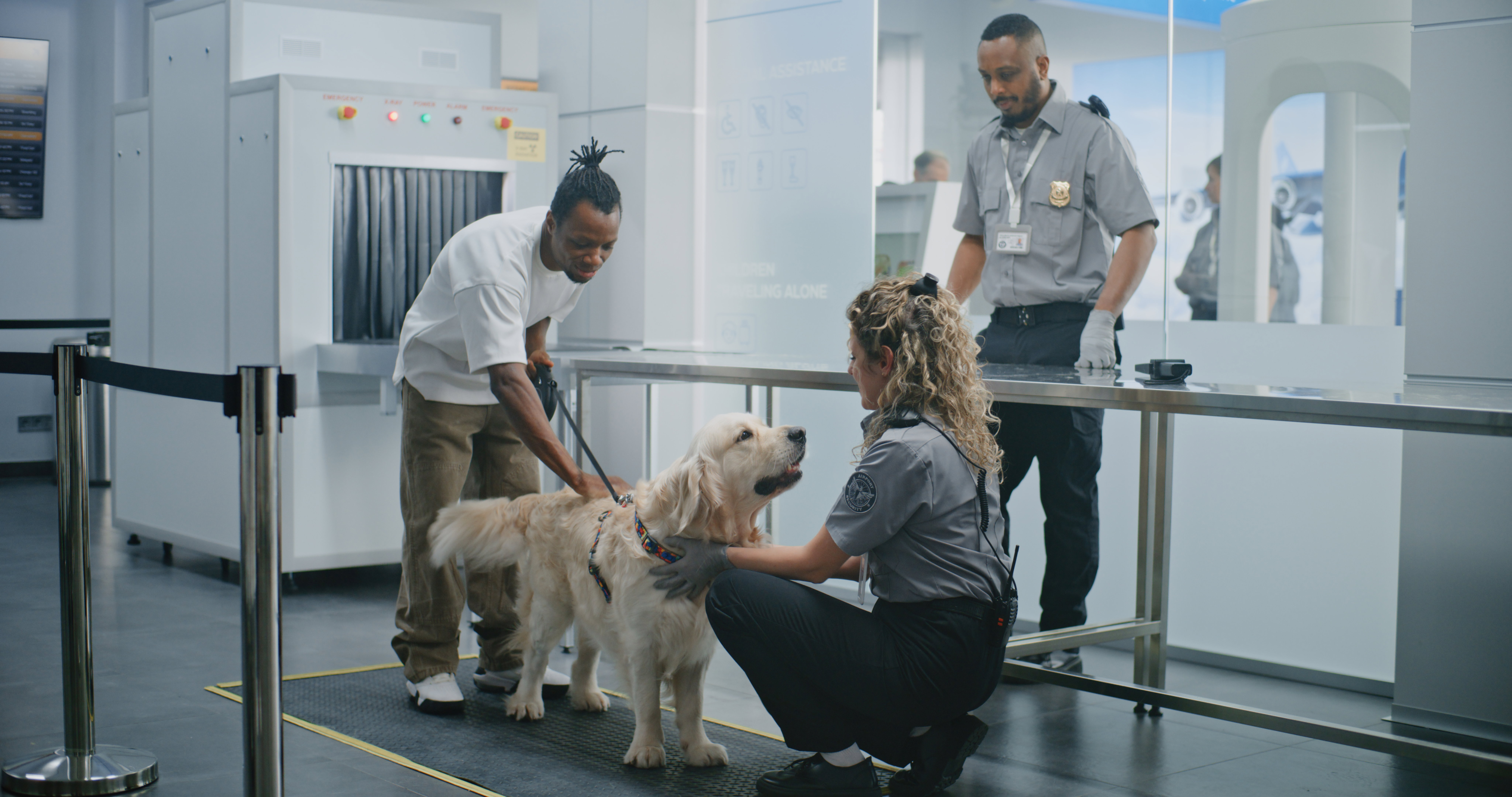
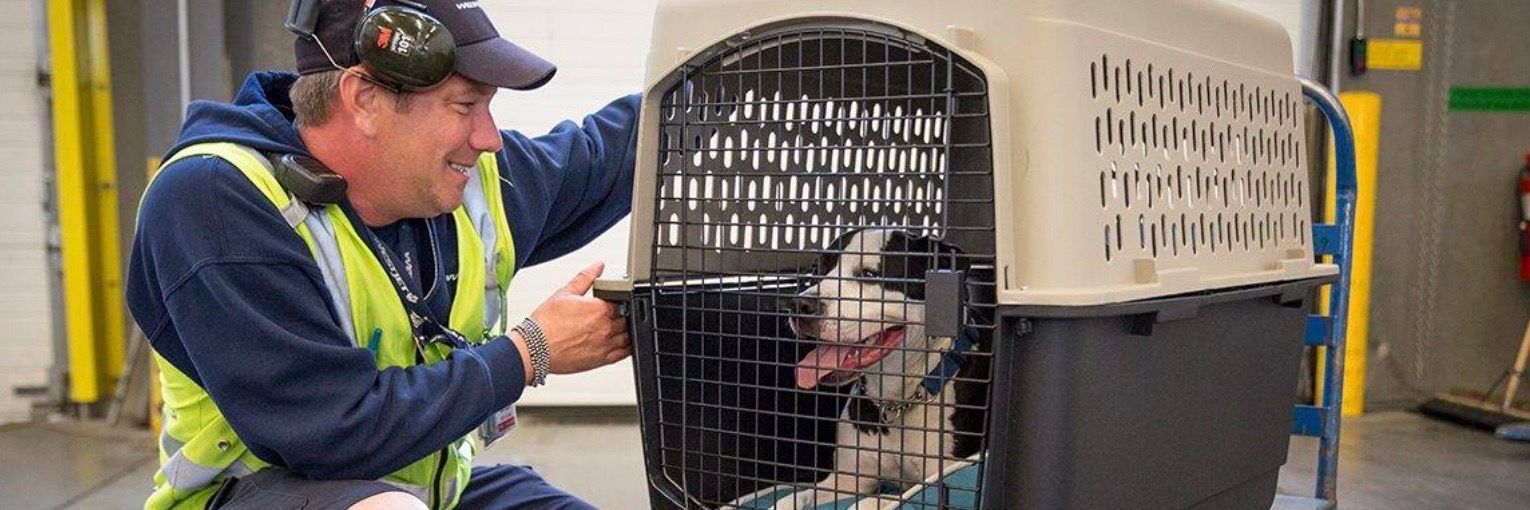
Once checked in, the passenger (or an airline escort) will take the crated pet to the airport's oversized baggage / TSA cargo screening area.
The Security Hand-Check: Because living creatures can never go through luggage X-ray tunnels, the TSA must physically inspect and hand-wipe the inside of the empty kennel for explosive residue. To do this safely, the pet parent must remove the animal from the crate and hold them while the TSA officers inspect the carrier.
Request a Private Room: If your pet is skittish or you're concerned about an escape attempt in a noisy terminal, ask for a private room before taking your pet out of the carrier. TSA officers will escort you and your pet to a fully enclosed, door-locked room to perform the inspection safely.
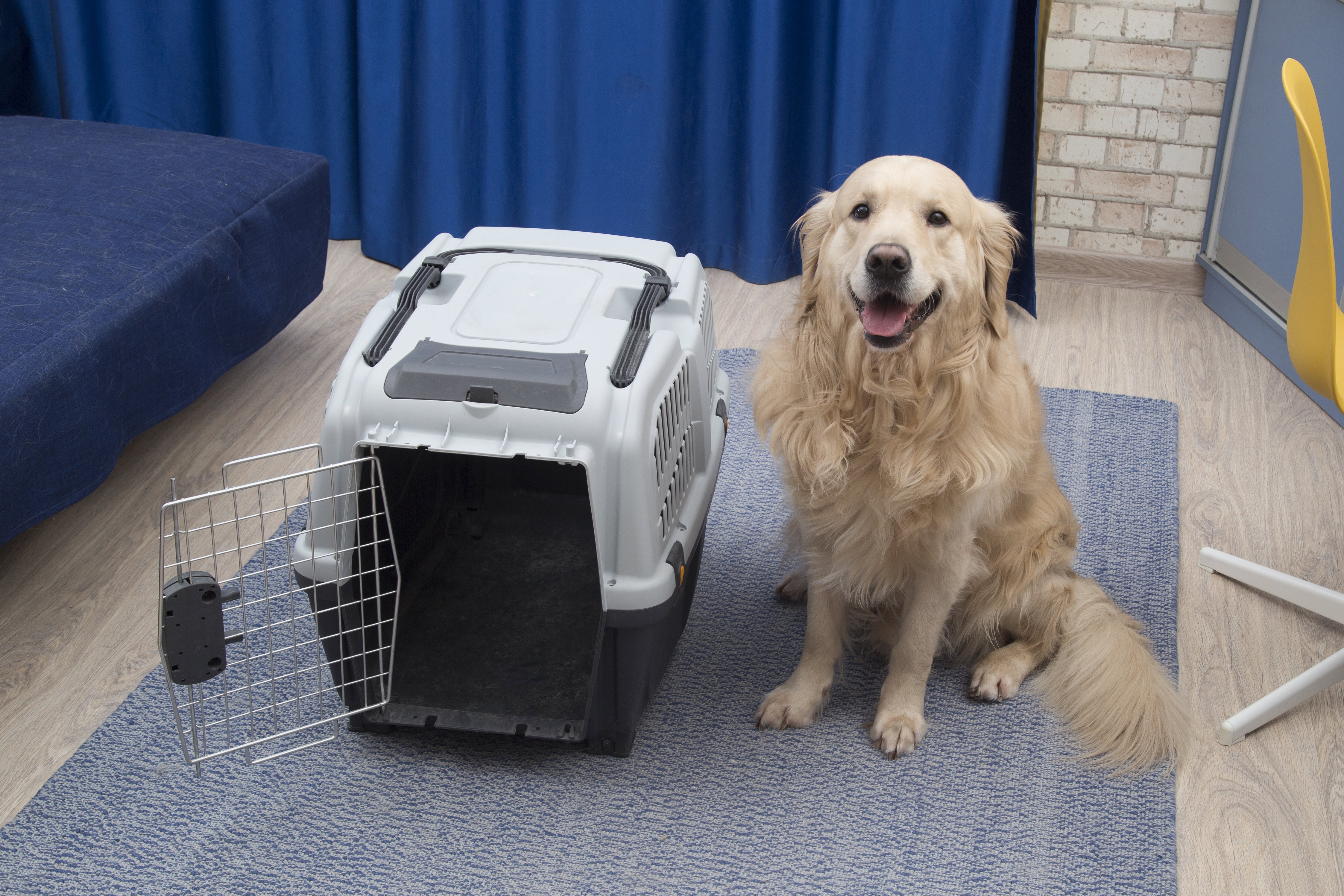
The Handover: Once the kennel clears the manual security check, the pet is placed back inside, the crate is locked/zip-tied, and airline baggage handlers take the animal down to the tarmac to be loaded.
Make sure to remove the pet's harness or collar prior to loading back into the carrier. Place them in the waterproof pouch on the top of the kennel. (see carrier specs below)
Carrier Requirements
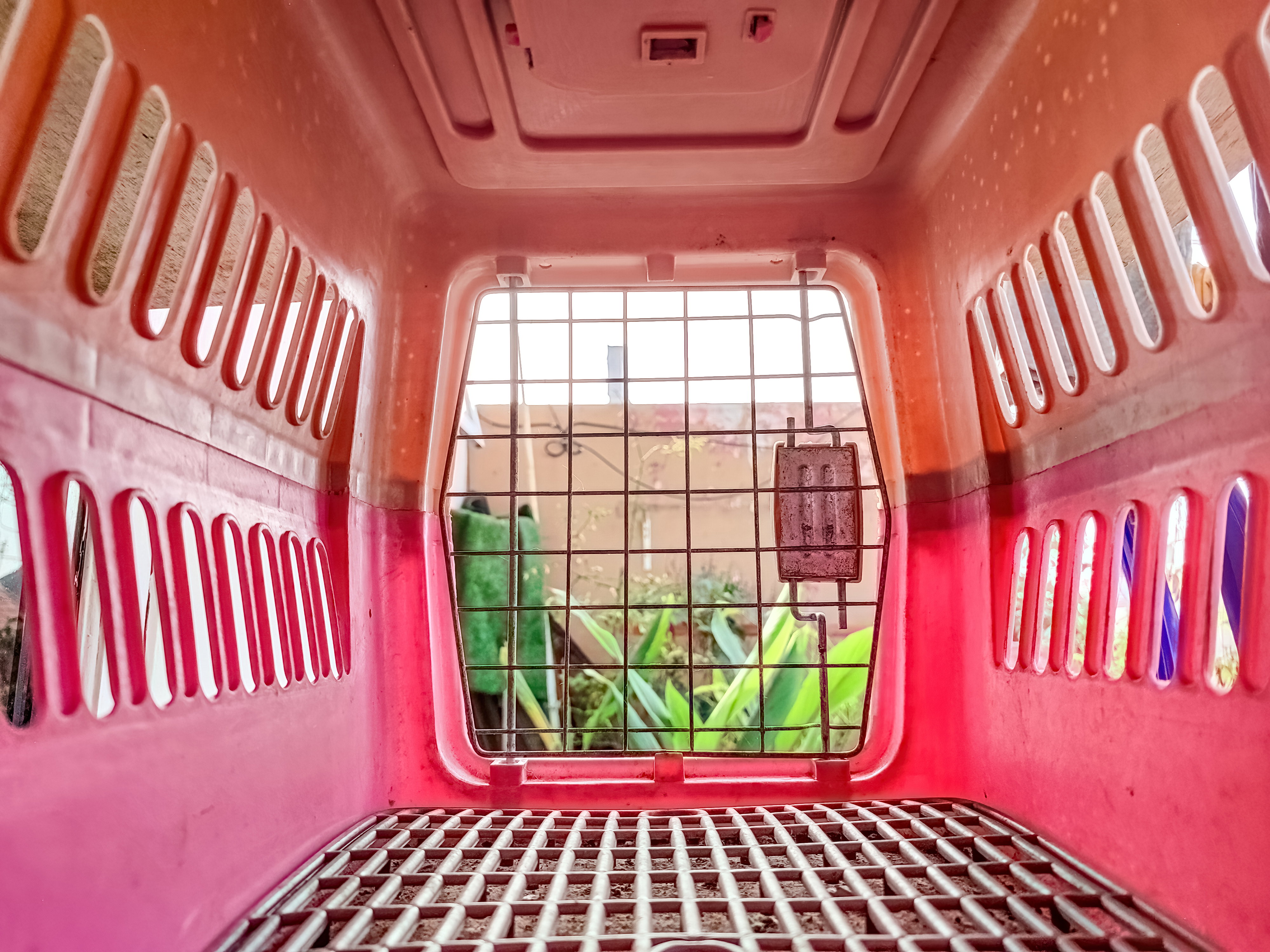
Size: the kennel must be tall enough that your pet's head (including ears) does not touch the ceiling when standing normally. They must be able to sit, stand, lie down, and turn around completely unhindered.
Material & Construction: The kennel must be made of rigid plastic, wood, or metal. Plastic fold-down "collapsible" crates are strictly banned.
Hardware: The top and bottom halves of the shell must be fastened together securely using metal nuts and bolts. Plastic slide-latches or twist-locks are prohibited.
The Door: Must be made of solid metal in a grid pattern. The crate shell surrounding the door frame should have holes in all four corners to accept hand-releasable zip ties (or quick-release security seals). This anchors the door frame to the shell to prevent bowing, while allowing handlers quick access without needing tools in an emergency.
Ventilation: 3-sided ventilation for domestic flights; 4-sided ventilation is required if traveling to/from Hawaii.
Accessories
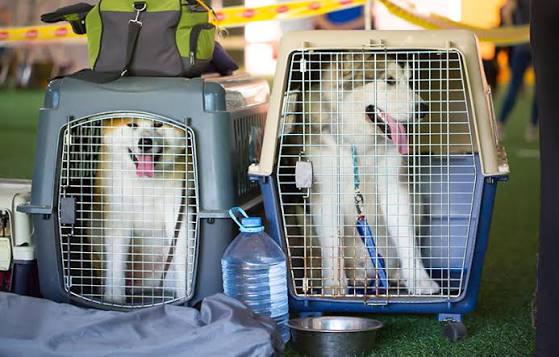
Two empty food and water dishes must be clipped securely to the inside of the metal door. They must be accessible from the outside so handlers can fill them without opening the crate.
A small bag of your pet's usual food must be attached to the outside of the crate so handlers can feed it in the event of a delay.
The floor must be lined with absorbent bedding (like a puppy pad or towel).
If the crate has wheels, they must be completely removed or taped down so the crate cannot roll during flight.
Required Exterior Labels
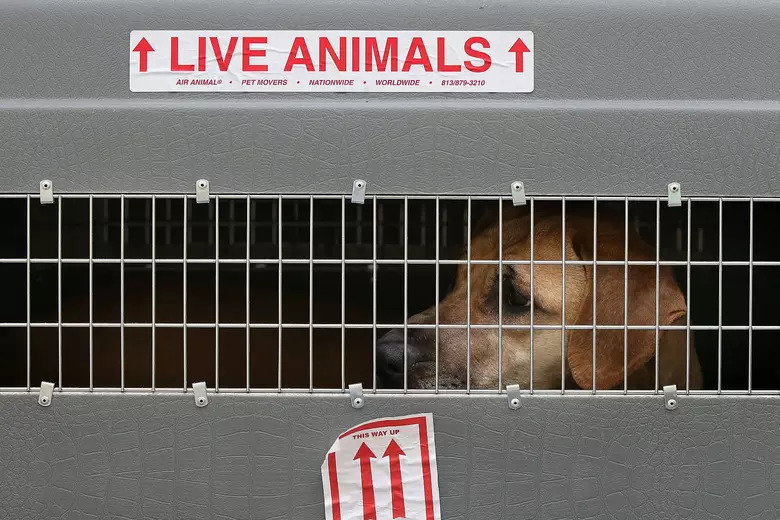
"LIVE ANIMAL" Stickers: Green or red stickers (at least 1-inch tall lettering) on the top and on at least two sides with directional arrows indicating "THIS END UP."
Shipper / Consignee Label: Name, address, and 24-hour contact telephone number for both the person dropping off and picking up the pet.
Feeding & Watering Instructions: A sticker stating when the pet was last fed and watered, along with written instructions (e.g., "Feed once every 12 hours").
| My recommendations for carriers are the Petmate Sky Kennel or the Ruffland Airline series (it must be the Airline series or it will be rejected at the check in counter). |
An Important Note on Sedation
Never, under any circumstances, tranquilize your pet before a flight. Airlines will outright refuse to fly a sedated animal because altitude changes can cause dangerous drops in blood pressure and respiratory distress. If you worry that your pet may experience high levels of anxiety, discuss it with your vet and ask for recommendations. If they prescribe an anti-anxiety medication, test it at home before travel day. Make sure it does not make your pet too sleepy such that they appear sedated.
Inside The Cargo Hold
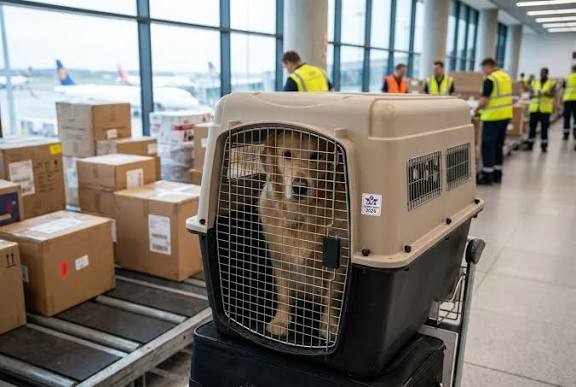
Your pet will be hand carried or put onto a cart to travel to a climate controlled holding area to await boarding. They are never put onto the belts though they will be put onto the motorized ramp that lifts baggage into the cargo hold. There are ramp attendants at both ends of the ramp who will make sure your pet gets to their secure spot in the cargo hold safely. There is a specific spot inside the hold for pet carriers and they are stacked in a precise pyramid shape and then fastened securely with tie-down straps and cargo netting so that they cannot shift in any way during transit. No luggage is stored near live animal crates and there is a lot of air space around the stack of carriers to maximize airflow.
What Can Go Wrong?
A lot of things, to be honest. But they are usually major logistical inconveniences, not necessarily life-or-death situations. It is actually very rare for pets to perish in the cargo hold anymore. The airlines have (forcibly) learned from past mistakes and have taken great measures to ensure that tragedies do not happen.
What does happen quite frequently is the misrouting of the pet due to flight delays, sudden cancellations, or unexpected weather embargoes. When this happens, the pet and the parent become separated. While they are almost always safely reunited, the time spent apart is extremely stressful for both the pet and the parent.
How Do They Get Separated?
If there is a flight delay and the plane is sitting at the gate on the tarmac, and the weather spikes to an unsafe temperature, the ramp crew will pull the pet from the cargo hold and take them back inside to a climate-controlled area for their own safety. However, the airline will not make a public announcement about this in the cabin, so you will most likely have no idea it even happened. The plane's absolute priority is to get into the air as quickly as possible, especially following a delay. That often means the aircraft takes off with your pet still sitting safely—but completely left behind—in the terminal's climate-controlled office. You will arrive at your destination, but your pet will not.
How to Take Back Control
Use a Smart Tracker: put a smart tracker (like an Apple AirTag or a Tile) securely inside the waterproof pouch on top of the carrier right alongside your feeding instructions and emergency contacts. This allows you to track your pet's exact location right from your smartphone at all times.
Layer Your Emergency Contacts: have emergency contacts at as many points of your travel itinerary as possible. Be incredibly thorough when filling out these forms and always provide a backup contact (or two).
Save the Facility Phone Numbers: before you even leave for the airport, add the direct destination phone number for the large-item baggage claim desk to your contacts list. Call them the very moment your plane lands to verify your pet's current location and confirm the timeline for getting them safely back into your arms.
Secure an In-Flight Standby Contact: You need a backup contact who can answer calls while you are in the air and unreachable. Make sure this person understands they need to be 100% available and near their phone during the exact hours you are in flight.
(Or, let me handle the stress. If you book our Travel Day Guardian service, I will be your dedicated, on-call standby contact ready to track down your precious pet the second a separation happens.)
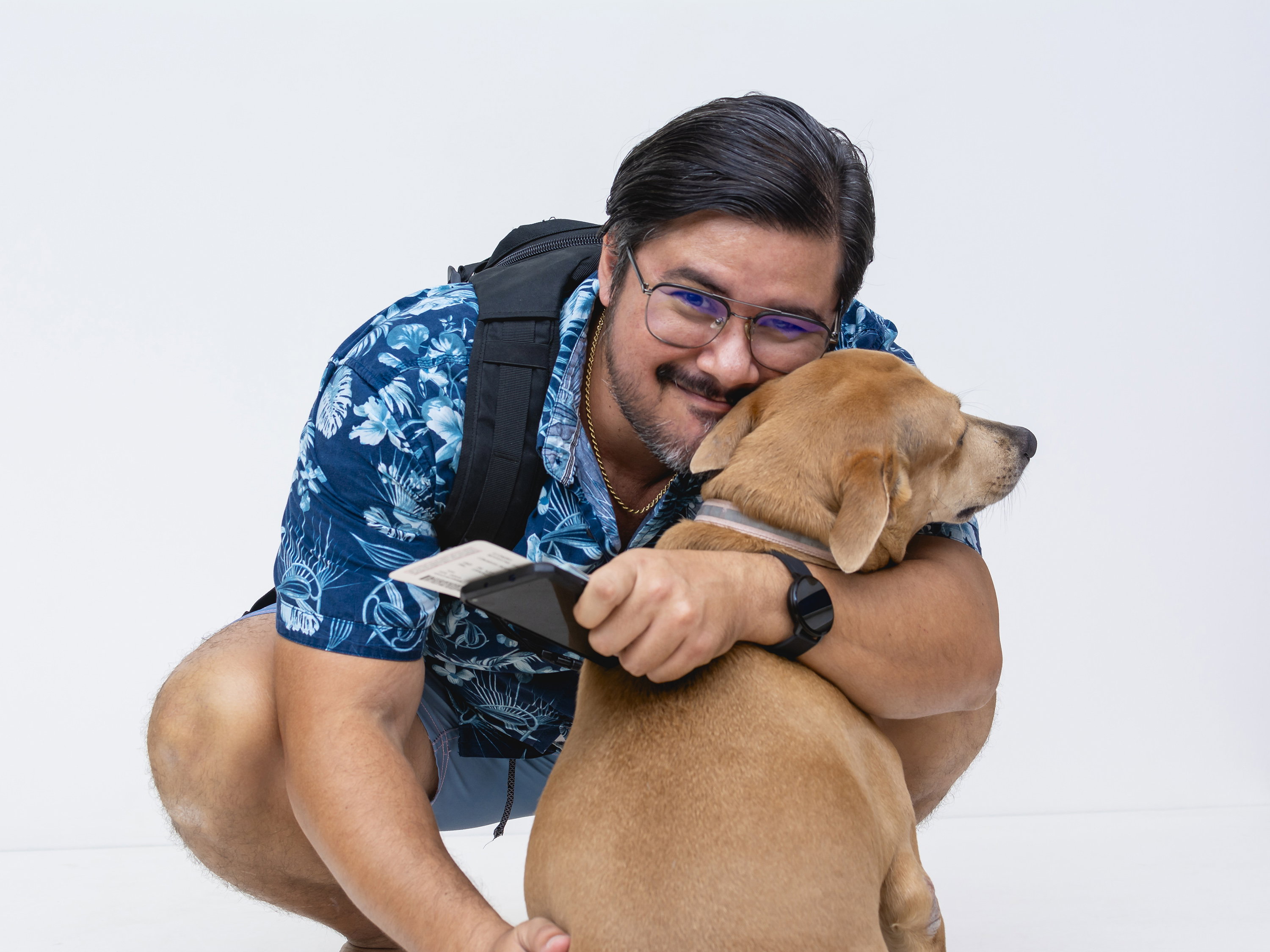
Choosing how to move your four-legged family members across the country is easily one of the most stressful parts of any relocation. While checking a healthy pet as luggage is a reliable and highly structured system, it remains a physically and emotionally taxing experience that requires careful preparation and realistic expectations.
Ultimately, there is no one-size-fits-all answer. Whether you decide to navigate the strict boundaries of air travel or opt for the long road with ground transportation, the best choice is simply the one that keeps your unique family safe, together, and moving forward. Trust your instincts—you know your pets best, and they will weather the transition because they have you waiting for them on the other side.