
Pets on a Plane: The Stress of Flying In Cargo -- Dogs vs Cats
August 2026
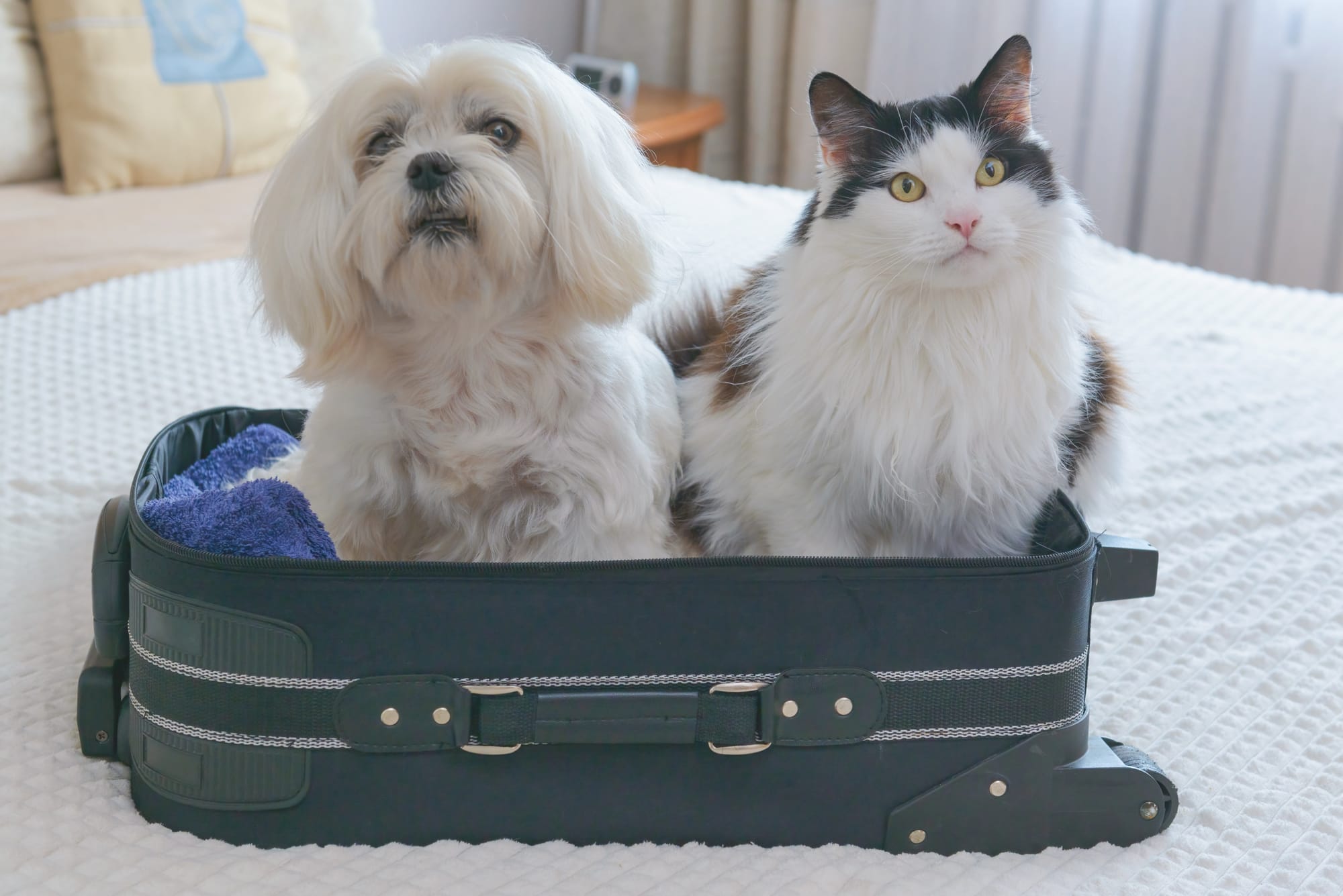
Dogs and cats each get their security from different places. Dogs get security by being with or near their owners -- their pack. Cats feel more secure when they can control their environment (and everyone in it).
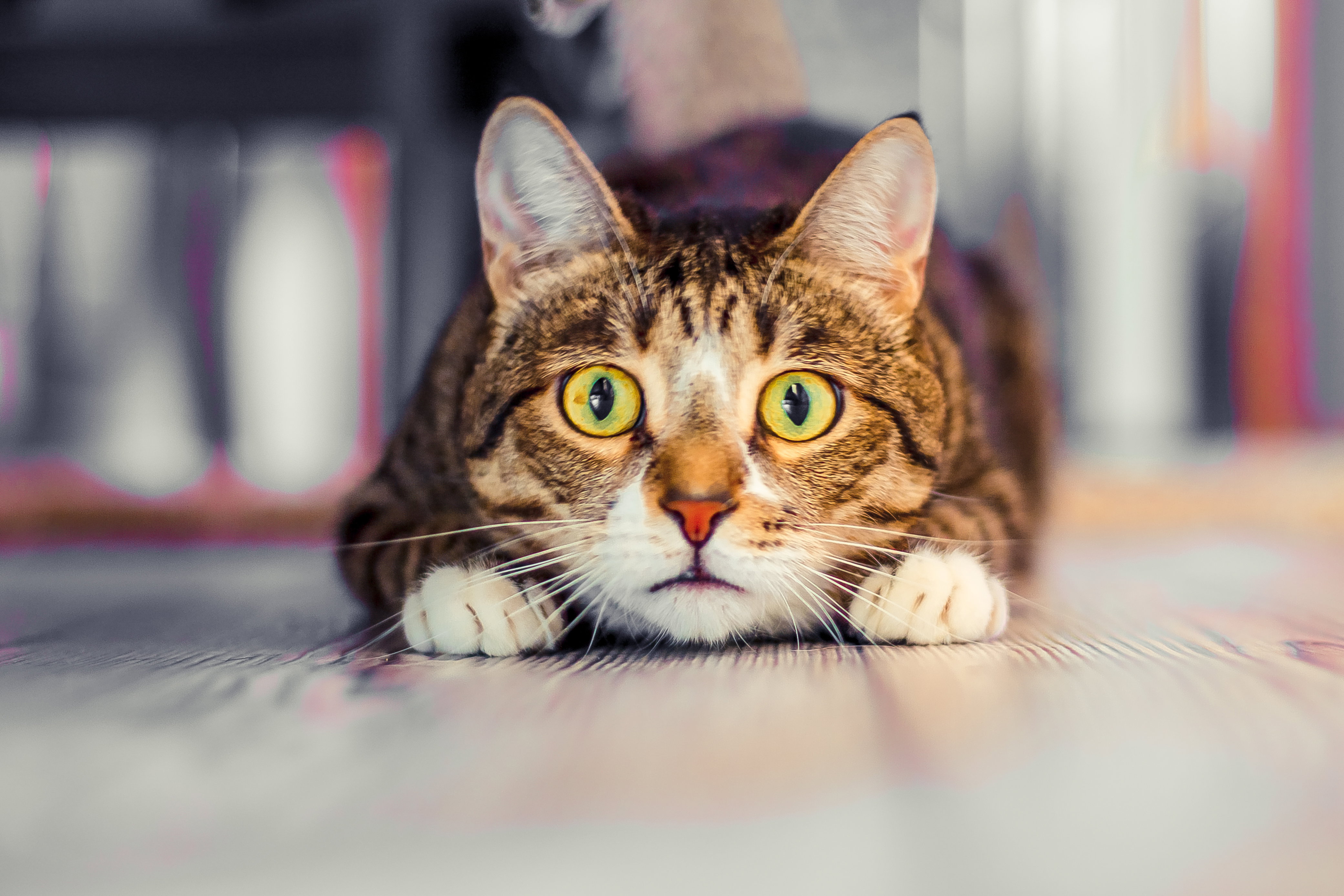
Fight or Flight: When scared, a dog will be more likely to vocalize their distress. They will bark, whine, or dig at the crate. The very act of complaining releases some of the stress. Cats are the silent type—not necessarily the strong-and-silent type, just the quiet-panic type. Their flight or fight response in unfamiliar situations is often to freeze, which can keep them in a hyper-vigilant state of panic. Because they're so stoic, their actual wellbeing can appear extremely understated.

Outdoor sometimes vs indoor only: Even though a dog will most definitely be extremely scared in the cargo hold the first time, the entire experience of travel as a whole is much different for a dog than a cat. When separated from their owner, the dog is stressed, but they are used to leaving the house, encountering strange sounds, and riding in vehicles. An indoor-only cat’s entire sense of security is tied directly to their physical territory. Removing a cat from its territory and placing it in a loud, vibrating void shatters their entire survival mechanism.
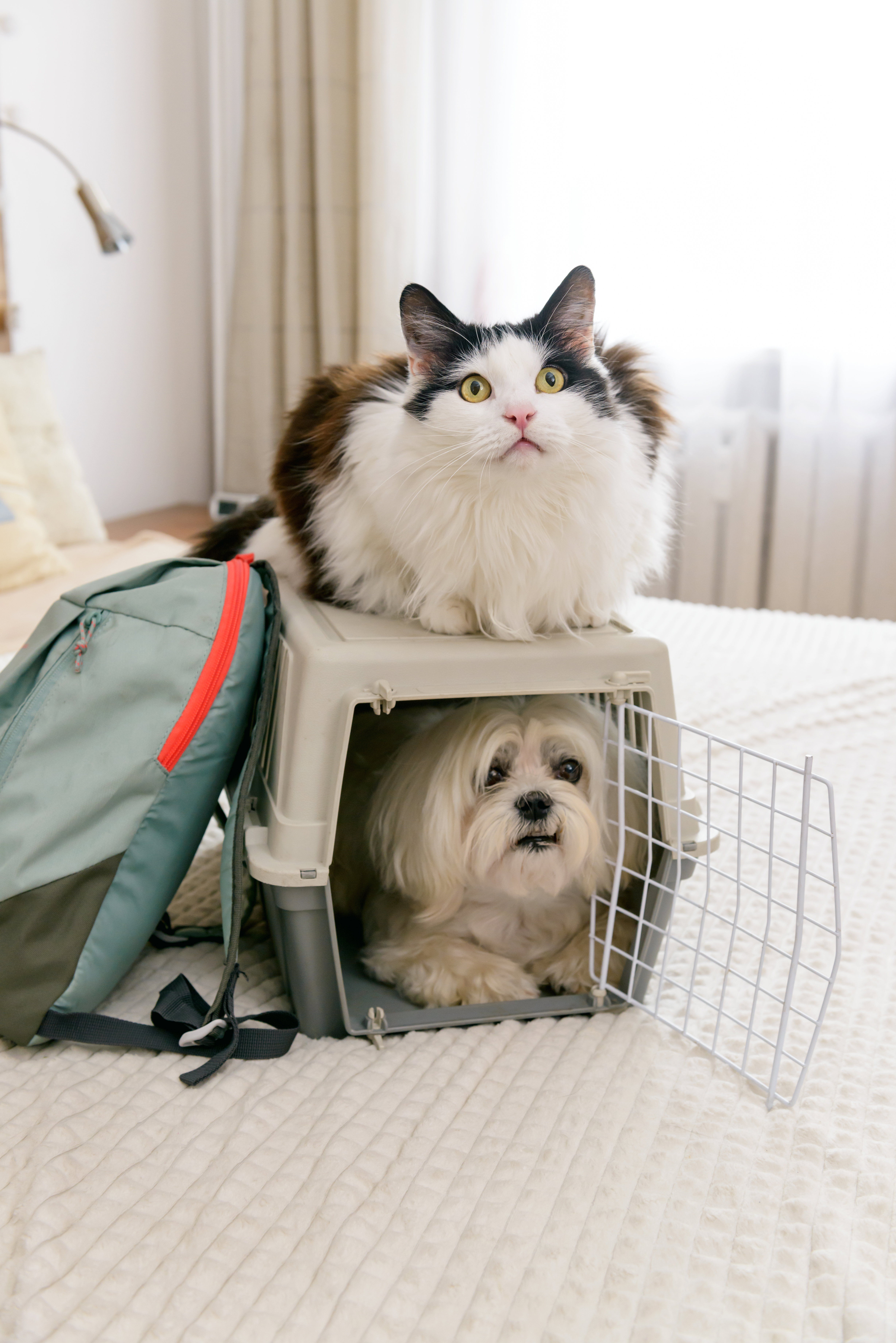
Den vs trap: While the dark, quiet cruise phase mimics a den, a dog is more likely to accept a crate as a safe bedroom if they are crate-trained. (Do not put your dog into the cargo hold if they are not crate trained. It's just cruel and dangerous.) Cats are much different. A closed crate feels like a death trap to a cat. You know that guy in the tavern of every fantasy that refuses to put his back to the door? He was a cat in another life. Cats don't just want one entrance that they might escape through—they want two. At least two. Being locked inside a carrier is not at all soothing to a cat.
Whether your dog whines from pack separation or your indoor cat freezes in quiet panic, the cargo hold is a psychological test for your animals. The absolute best way to lower their stress is to ensure their routing is as short as possible and that their travel crate feels like a secure, compliant den rather than a trap.
So why do cat owners put their cats in the cargo hold?
They can easily put them in the cabin, right? Not necessarily. The biggest hurdle for cat owners often isn't the size of the cat, but the size of the family. Most airlines strictly enforce a limit of one pet carrier per passenger in the cabin. If you are relocating a multi-cat household, the math simply doesn't work for a solo flyer to keep everyone upstairs. When faced with moving a whole feline family, furparents are forced to look at alternative options: flying them as unaccompanied cargo shipments so they can travel together, or bypassing the air entirely for long-haul ground transport.
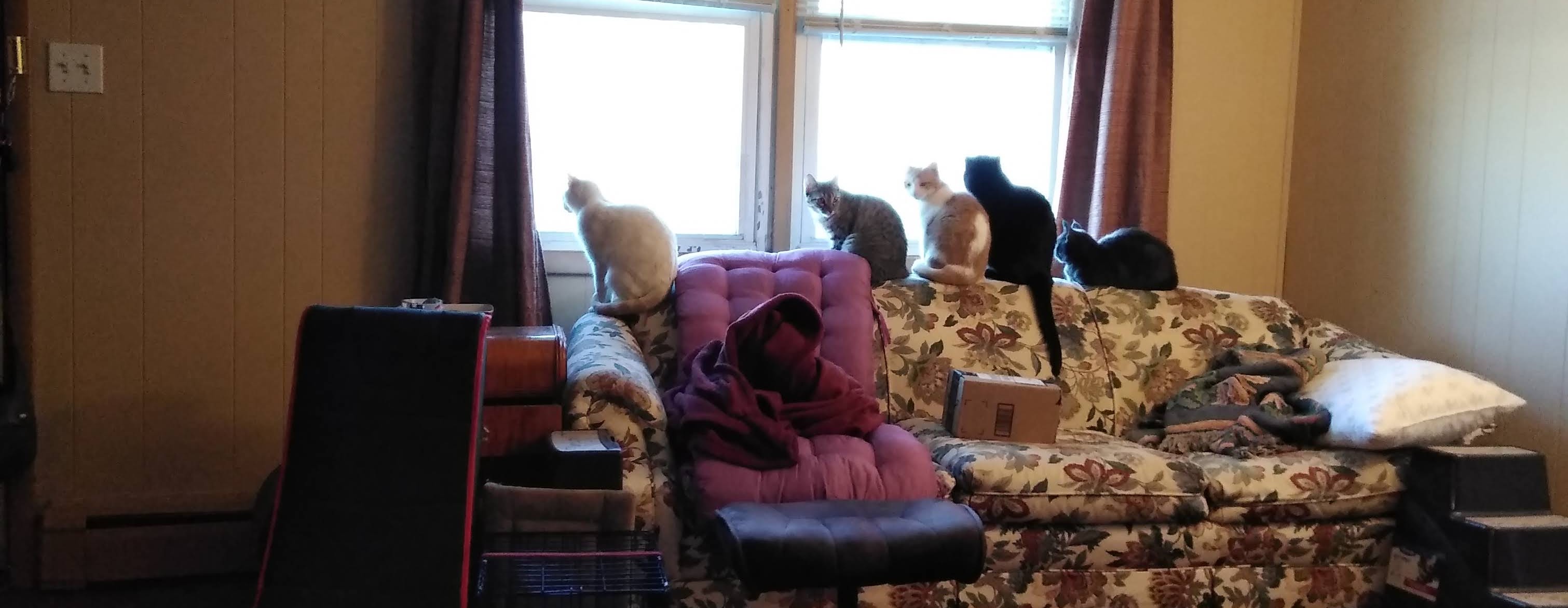
The only right answer to this conundrum is the answer that is right for your unique family. For some, that might mean putting their cat in the cargo hold for a few hours. And in the end, there's nothing wrong with that. A healthy cat can tolerate being terrified for a little while.
| I recently relocated from Pennsylvania to Colorado with four cats, my 18yo son and me, and I opted to hire a ground pet transporter rather than put two of the cats into the cargo hold. They're indoor-only cats who have never left the house and they're all siblings, so I felt keeping them all together was the best choice. But was it? Seeing how intensely stressed they were upon arrival at the new apartment, it occurred to me that while flying is far more stressful in the short term for a cat, it's also over quicker. Ground transport was several days of stressful travel. So I have no clear answer as to which is better or if I made the right decision. In the end, all four came through it just fine so that's what really matters. |