
Pets on a Plane: A Guide To In-Cabin Carrier Regulations
August 2026
Many airlines in the USA will allow a small pet to fly in the cabin with you if it is secured in a carrier and stored beneath the seat in front of you for the duration of the flight.
The carrier requirements, the fees, the number of pets that can accompany you, and the way bringing a pet may affect your baggage restrictions, all vary widely between airlines. (All of which I address for your specific airline and airports in my Cloud 9 package.)
What Size Airline Approved Pet Carrier Do I Need?
Movement: The "rulebook" says that your pet must be able to stand up and turn around in the carrier without touching the top or sides of the carrier, however, they evaluate the sizing of the carrier when the pet is lying down. So in reality, some fur can graze the top or sides of the carrier, but it cannot create a significant bulge. The pet must reasonably fit within the confines of the carrier.
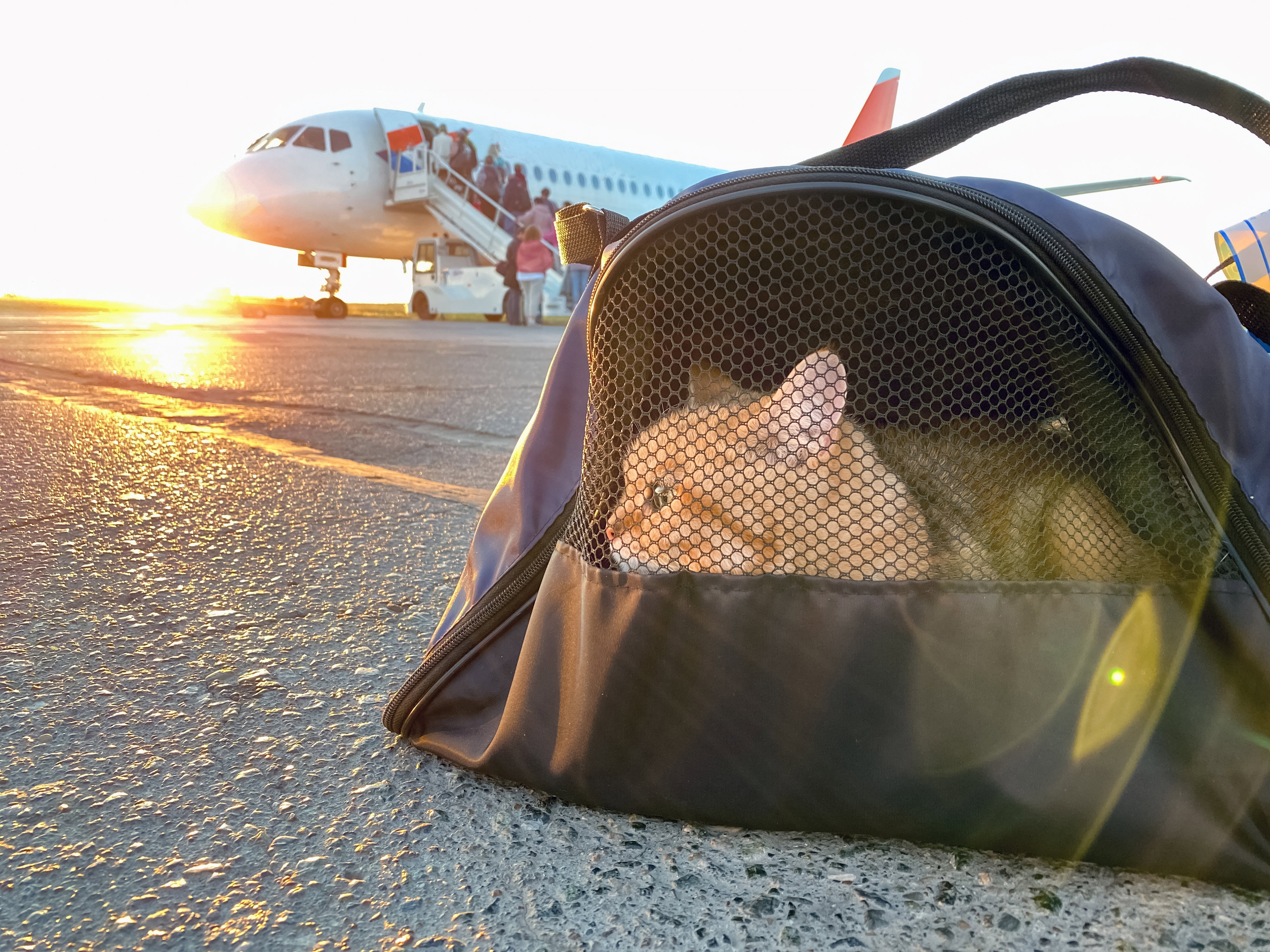
Under-Seat Stowage: The carrier must slide under the seat easily and remain stowed for the entire flight. You cannot bring the pet carrier onto your lap or the seat beside you at any point during the flight.
Weight Limits: Some airlines enforce a combined weight limit of the carrier + pet at 20 pounds. Most go by whether the pet and carrier can fit beneath the seat in front of you without any overhang.
Carrier Dimensions Vary By Aircraft Type
As a general rule of thumb, many major US domestic carriers accept soft-sided carriers around 18" x 11" x 11" as a baseline standard.
The Catch: This is not a universal guarantee. Exact maximum height clearances drop significantly depending on whether your flight uses a Boeing 737, an Airbus A321, or a smaller regional jet. In fact, sitting in a window seat versus a middle seat on the exact same row can alter your under-seat clearance by up to two inches due to life vest containers and electronic boxes.
Trying to guess your dimensions using random internet forums can result in being turned away at the gate. For an exact breakdown of your specific aircraft model, seat assignment, and airline-specific carrier rules, see our a la cart product, Gear Check.
What Should I Look For In An Airline Approved Pet Carrier?
Ventilation: Mesh windows are required on at least 2 to 3 sides for domestic flights (often 4 sides for international).
Material: Soft-sided carriers are heavily recommended (and sometimes required) because they can compress to fit under the seat in front of you.
Absorbent Pad: The interior bottom must be leak-proof or lined with an absorbent pee pad to manage accidents.
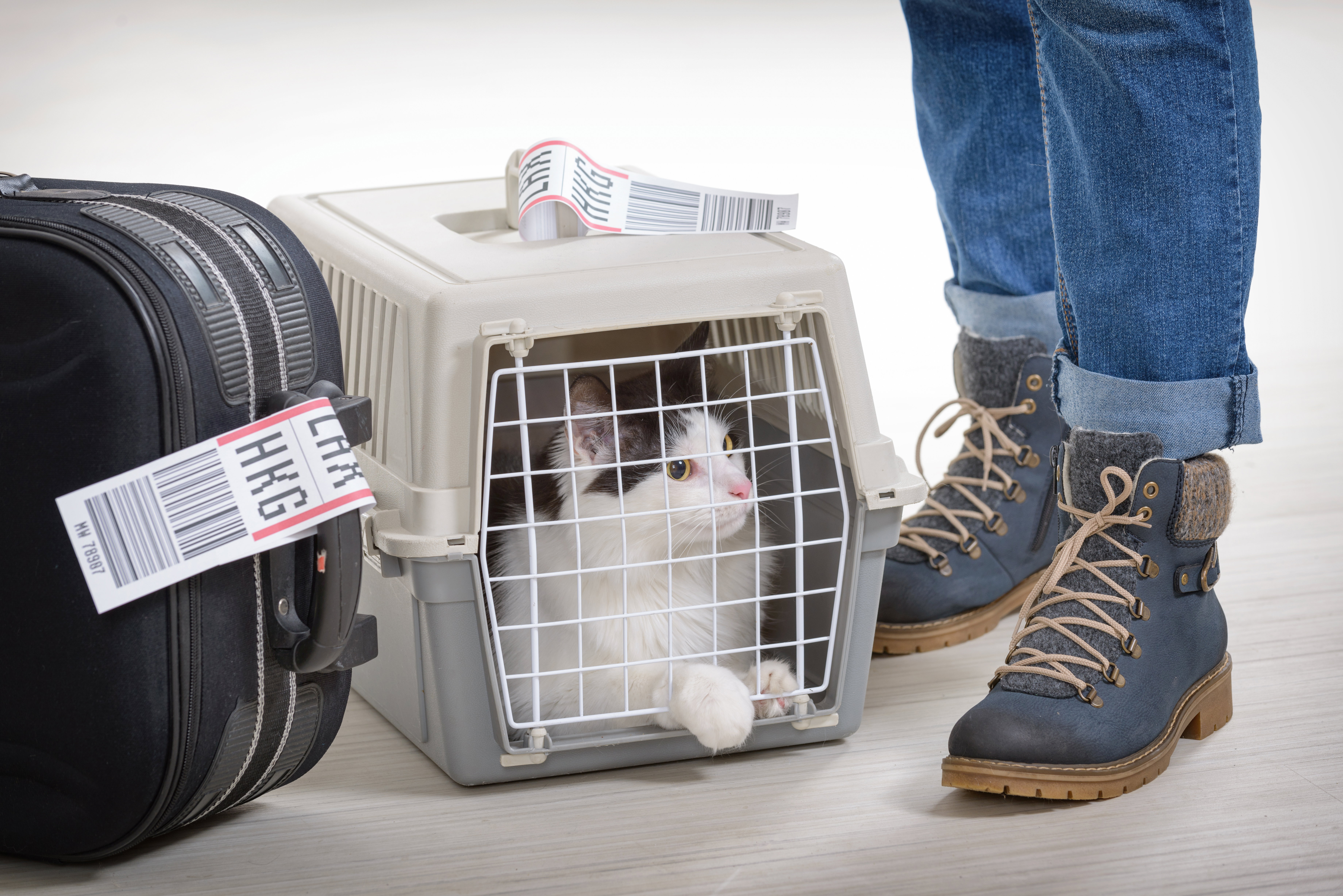
Live Animal Tag: While airlines don’t require 'Live Animal' stickers for the cabin like they do for cargo holds, it is a smart safety practice to loop a durable luggage tag with your name, phone number, and pet's name around the carrier's main top handle or a fixed side D-ring. This ensures your contact info is permanently attached without interfering with the zippers or creating an accidental escape risk.
What Are The Rules For Flying With Pets In The Cabin?
Zipped at all times: Your pet must stay fully inside the zipped carrier while in the airport terminal, during boarding, and during the entire flight. No part of the pet may poke out of the carrier during the flight. (All those pics of puppy heads outside carriers? Not allowed.)
One per passenger: Most airlines limit each traveler to a single pet carrier (holding one cat or small dog, or two puppies/kittens if small enough).
Reservation & Capacity Limits: Many airlines cap the total number of in-cabin pets per flight. Booking early is mandatory—showing up at the gate without an advance pet reservation guarantees a turn-away.)
Baggage Allowance: The pet carrier counts as your carry-on or personal item. Allowance policies vary, so verify with your airline to see which category applies.
Prohibited Seat Types: exit rows and bulkhead (1st row) seats have no seat in front of them to store the pet. Certain premium or first class seats have under-seat foot rests or electronic modules that prevent a pet from fitting under them. Pay attention to where your seat is located when booking your ticket.
TSA Checkpoint Screening: Keep in mind that you will be required to remove your pet from its carrier entirely when passing through airport security. For a complete walkthrough on how to handle this safely without an escape, check out my full guide on Navigating TSA Security with a Pet.
Fees: Airlines charge for you to bring your pet on board. Those fees range from $95 - $150 per carrier each way. But be careful! If you have a long layover or are flying certain budget airlines, then the airline may charge per segment which could double or even quadruple your fees (if flying round trip with your pet).
Important Note on Sedation
Never, under any circumstances, tranquilize your pet before a flight. Airlines will outright refuse to fly a sedated animal because altitude changes can cause dangerous drops in blood pressure and respiratory distress. If you worry that your pet may experience high levels of anxiety, discuss it with your vet and ask for recommendations. If they prescribe an anti-anxiety medication, test it at home before travel day. Make sure it does not make your pet too sleepy such that they appear sedated.
What Is The Best Airline Approved Carrier?
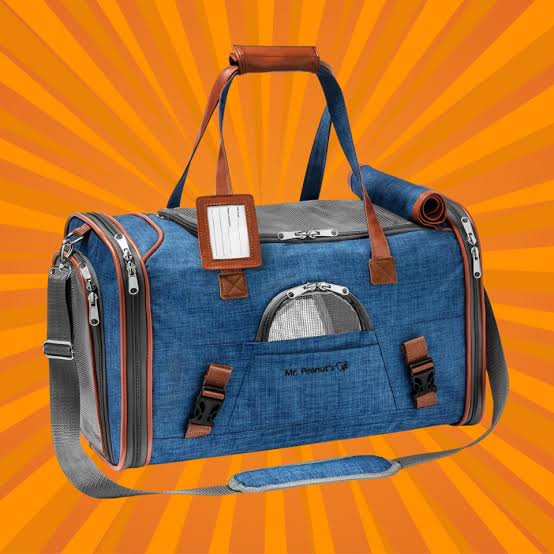
I recommend the Mr Peanut brand of carriers. They are very high quality with:
- self locking zippers
- military grade tear resistant fabric
- hand stitched seams for durability
- a huge array of styles and sizes
- and a gorgeous palette of colors
Top Loading: They are almost all top loading and that makes it easy to drop a reluctant pet into the carrier before they realize what's happening. No more splayed leg refusal at a side entrance.
Self Locking Zippers: The self locking zippers are designed so that they only move by the handles outside. Little paws cannot work them loose from the inside.
Military Grade: The nylon used by Mr Peanut's carriers is equivalent to the material the military uses to make their parachutes. It is water resistant and highly durable (tear resistant).
Take the Stress Out of Gate Day
Flying with your small pet in the cabin means navigating crowded terminal corridors, passing live TSA security screenings, and managing strict under-seat space limits—all while carrying your anxious pet. A single measurement discrepancy or an unvetted terminal route can quickly turn your travel day into a chaotic scramble.
Planning Your Route With Confidence
Navigating the tight spaces and strict oversight of commercial airline travel doesn't have to be overwhelming. By selecting a high-quality carrier and reviewing your specific airline's dimensions ahead of time, you can guarantee a safe, stress-free journey for your furry companion.
Remember that carrier guidelines are only one piece of the relocation puzzle. If you want a completely customized plan that covers every restriction, gate policy, and connection checklist for your exact itinerary, check out my Routes & Runways package today. Let's make your pet's next flight completely seamless.