
Pets On A Plane: Going Through TSA Airport Security With Your Pet
August 2026
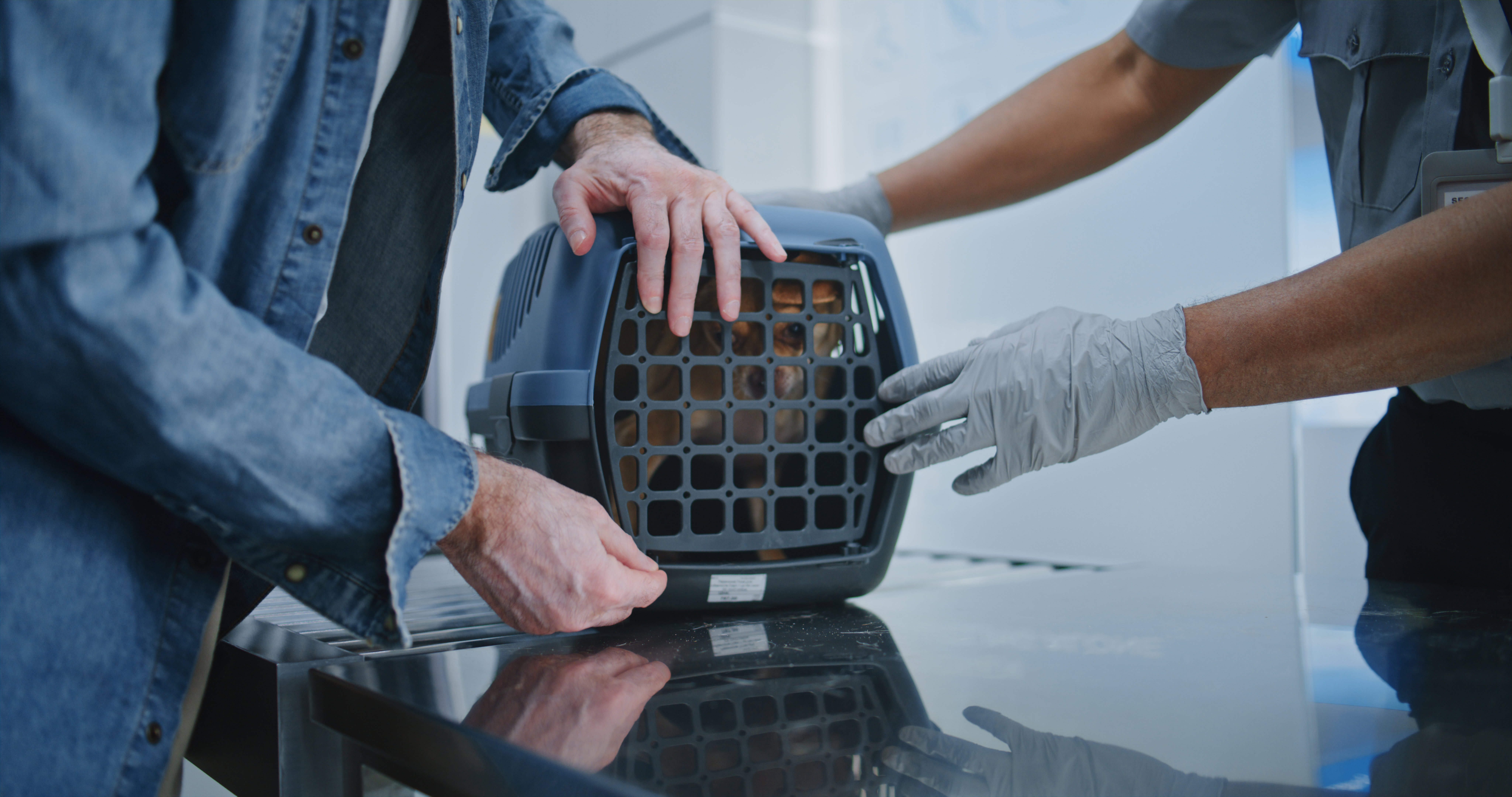
Yes, they will need to go through security and they will need to be scanned. Contact TSA Cares no later than 72 hours before your flight and request a Passenger Support Specialist (PSS) to guide you through the screening process. Mention that you are traveling with pets and need extra assistance. When the PSS arrives, immediately request a private screening room.
When you go to a private screening room with your pet, your carry-on luggage and personal items will remain under the control of TSA officers and will be brought with you to the private room.
Here is exactly what to expect:
X-Ray First: Your carry-on bags, backpack, and the pet carrier must still go through the standard X-ray machine. The good news is you do not have to open the carrier in the public terminal.
There is a specific process for skittish pets (even if your pet isn't skittish, you should follow this protocol for their safety) that completely avoids the public line.
How to Keep the Pet in the Carrier Until the Private Room
Request Privacy Immediately: As soon as you reach the TSA ticket document checker at the very front of the line, say: "I am traveling with a skittish pet. I need a private screening room because they are an extreme flight risk."
Wait for the Escort: The officer will call a supervisor or a two-person team. You will wait safely with your pet completely zipped inside the carrier at the front of the line.
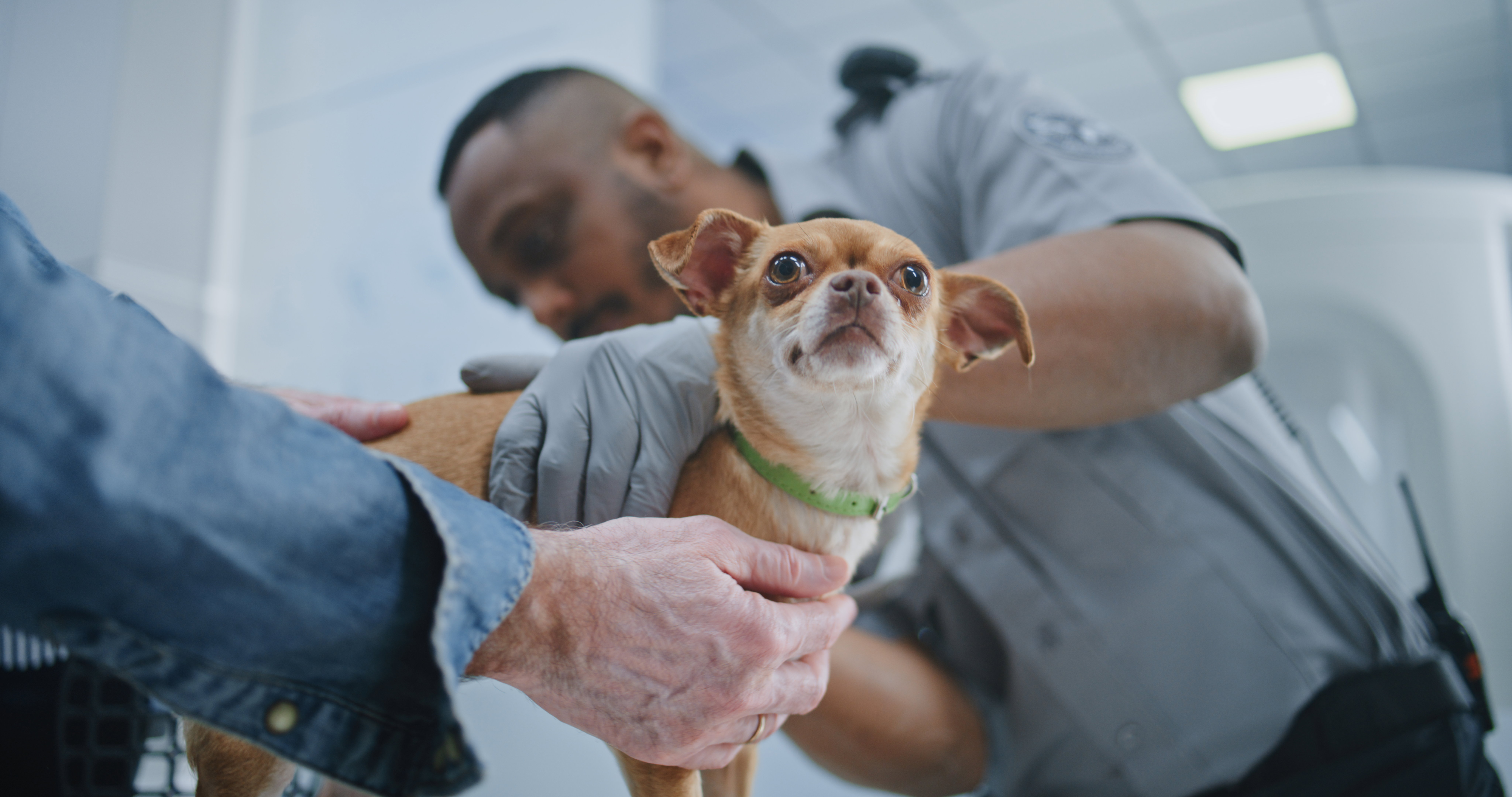
Inside the Closed Room: Once you are safely inside the private screening room with the door shut and locked, the officers will instruct you to take your pet out of the carrier.
The Empty Carrier Scan: While you securely hold your pet inside the room, one officer will take the empty carrier out to run it through the X-ray machine. A second officer will remain in the room with you. The officer will bring the cleared carrier straight back to you.
Additional Bag Checks: If any of your carry-on bags flagged an alert during the initial X-ray, the officers will open and inspect those bags inside the private room in your presence.
Quick Prep Tips
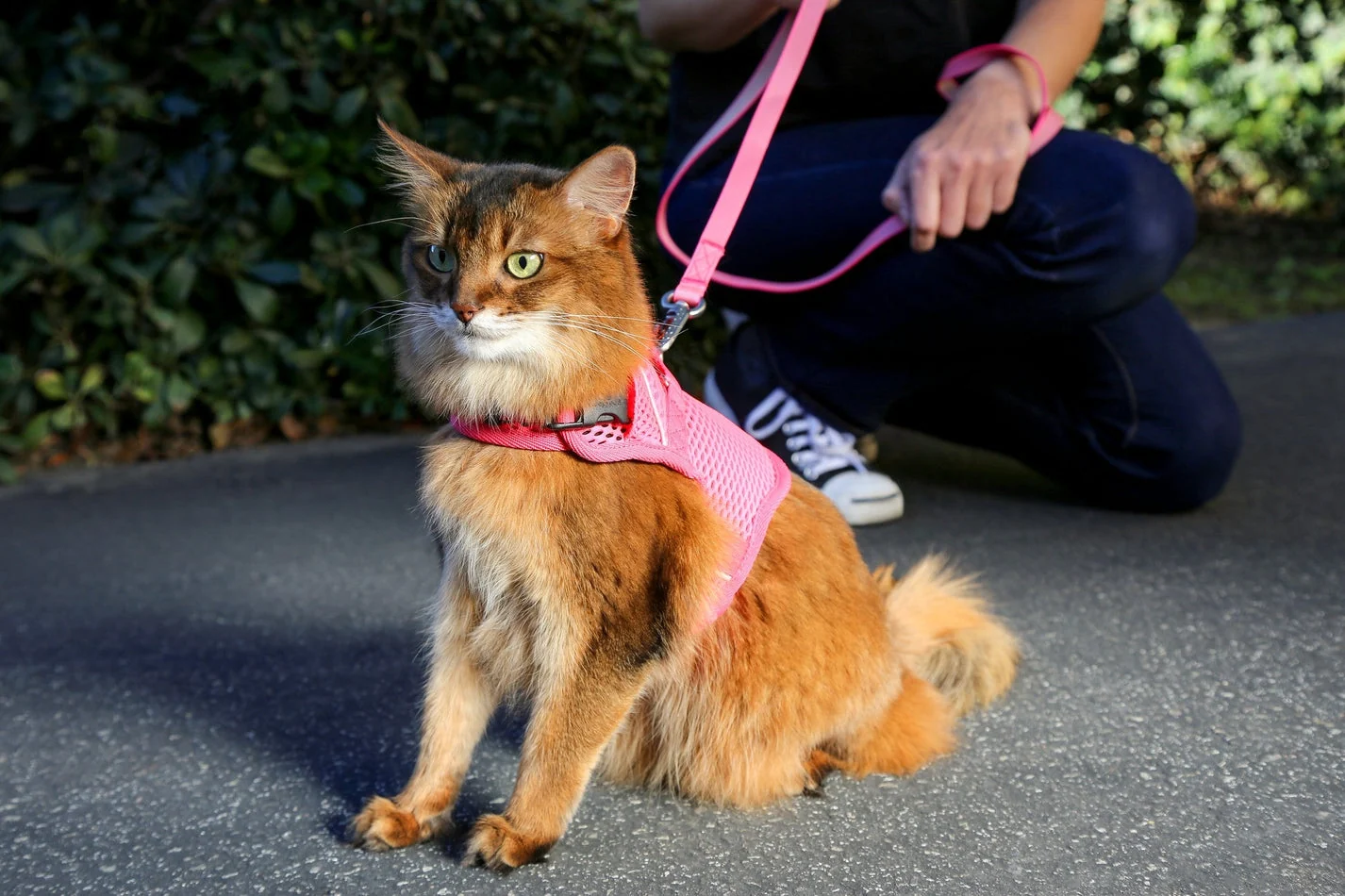
Use a Security-Friendly Travel Harness: Even inside the carrier, keep a harness and leash on your pet for an essential safety line. However, because standard escape-proof Martingale harnesses rely on metal rings that will trigger the TSA alarms, look specifically for a specialized, 100% metal-free airport travel harness (such as the TSA Fast Pass step-in vest). These utilize heavy-duty plastic hardware so you can maintain complete physical control of your pet inside the terminal without triggering invasive secondary pat-downs.
Top-Door Carriers: If you have a carrier with a door on the top, it is much easier to get a reluctant pet in or out of the carrier through the top.
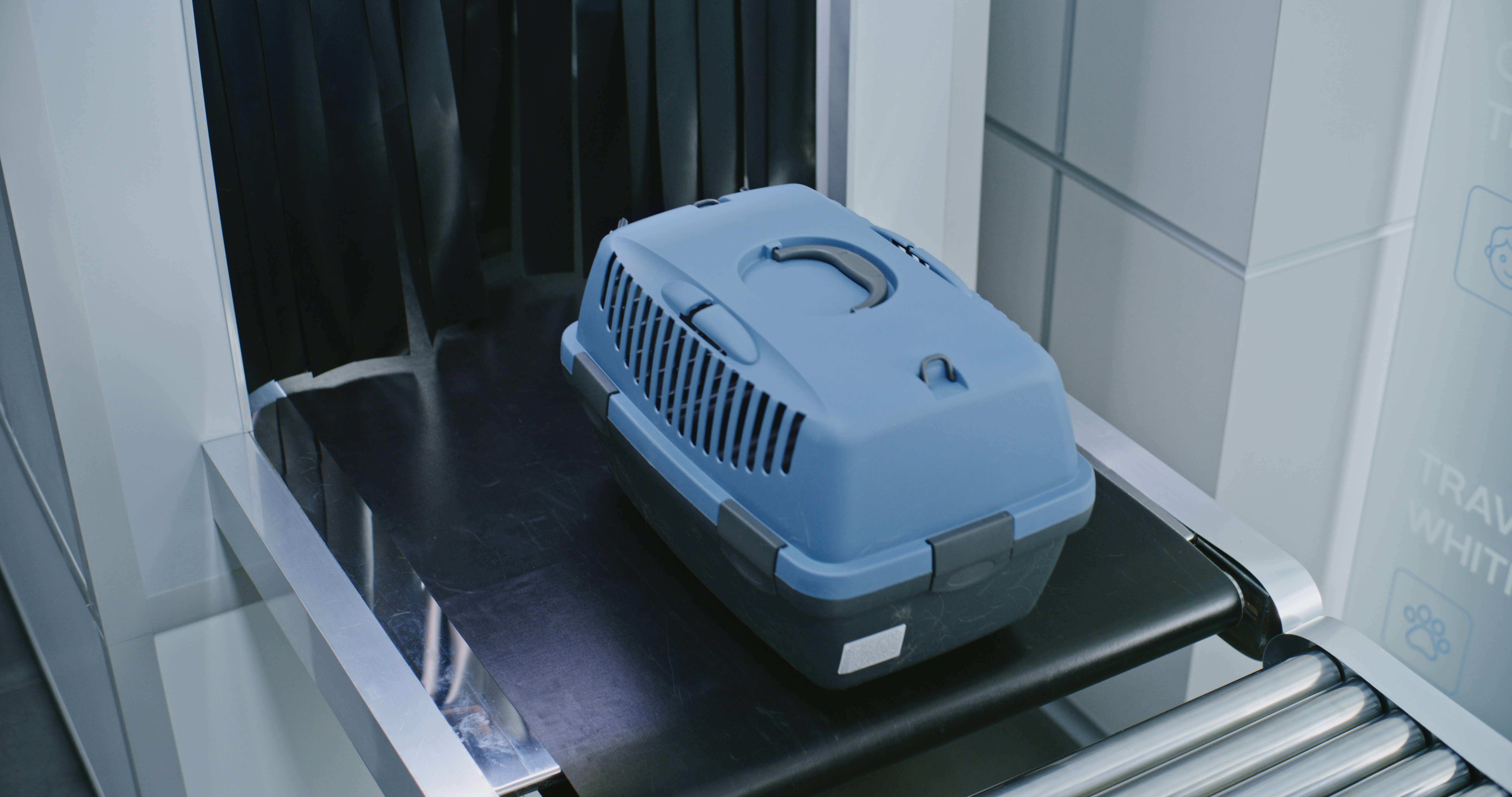
Once all the inspections are complete, they will escort you to the end of the security station and you can proceed to your gate as normal. Check in at your gate and request pre-boarding.
Complete Your Airport Defense Strategy
Navigating a chaotic TSA checkpoint with a live animal requires precise timing, exact language, and a clear understanding of the terminal's physical map. Don't let a sudden crowd or an uncooperative lane layout turn your security screening into a flight-risk emergency.
Let me map out your travel day
Nervous about navigating a crowded terminal? Take a look at my standalone the Scenic Route guide. We will provide you with a custom, step-by-step map of your specific airports, highlighting exactly where the designated private TSA screening rooms are located, how to efficiently request a Passenger Support Specialist, and the fastest, lowest-stress routes to post-security pet relief areas.
Need a complete flight plan? My Cloud 9 package handles your full route mapping, strict booking timeline coordination, and expert-verified compliance planning to ensure you glide through both the ticketing counter and the security checkpoint with absolute confidence.