
Dog 7-7-7 Rule of Relocation
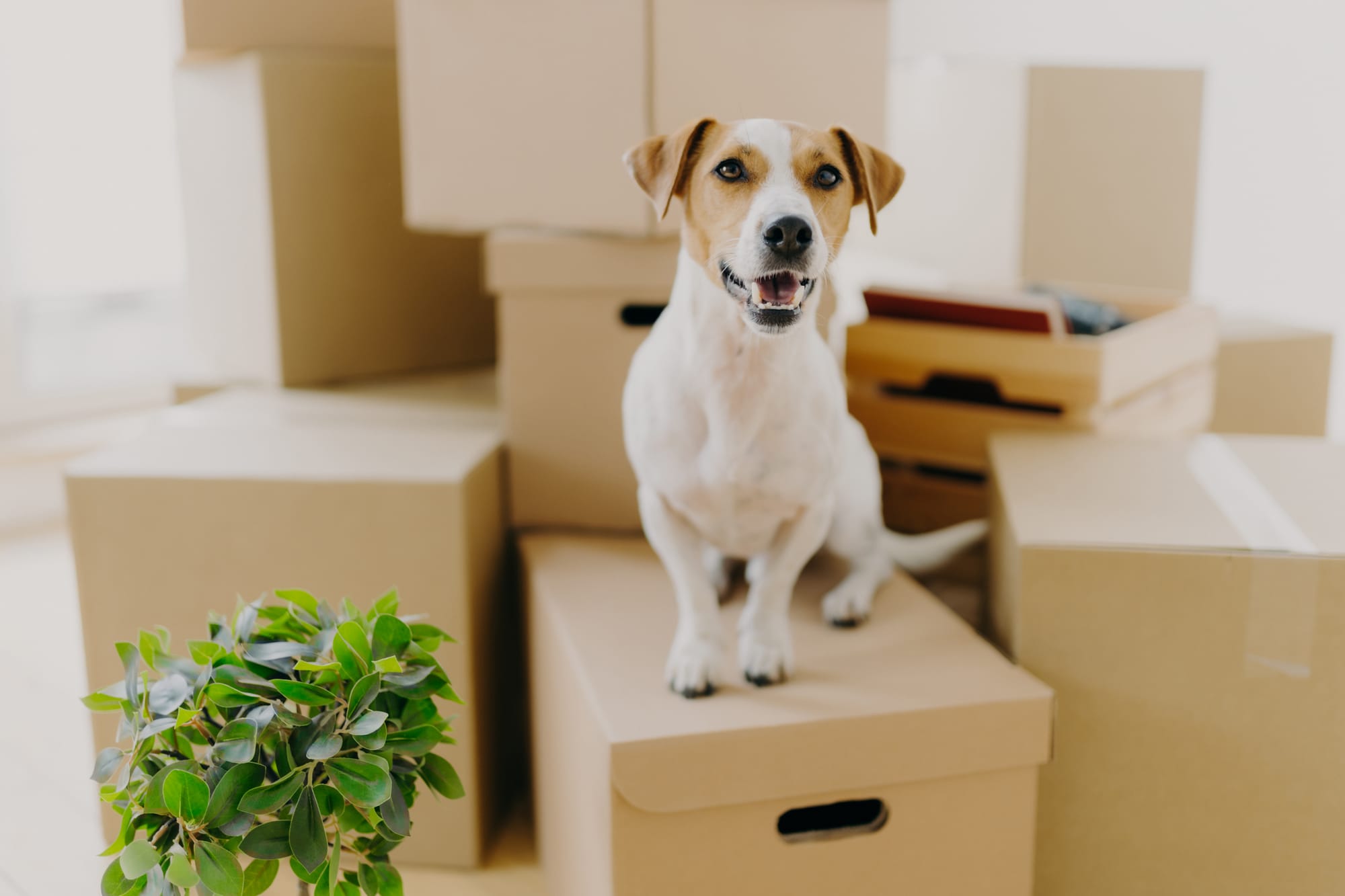
Moving is notoriously stressful for humans, but it can be equally disorienting for our dogs. While cats tend to stress over a change in territory, adult dogs stress over the disruption of their routine, safety zones, and pack dynamics. Pet behaviorists often use the 7-7-7 Rule of Relocation. This timeline breaks down what to expect during the first 7 days, 7 weeks, and 7 months in a new home, offering actionable steps to keep an adult dog calm, secure, and confident.
I cannot stress enough the importance of crate training prior to your move. Not only is it highly likely that your dog will need to be in a crate at some point during the move, the crate can become their place of refuge when the newness gets overwhelming. It is asking a lot to put them in a crate they've never been in and then into a new, scary environment and expect them to be okay.
7 Days: Decompression
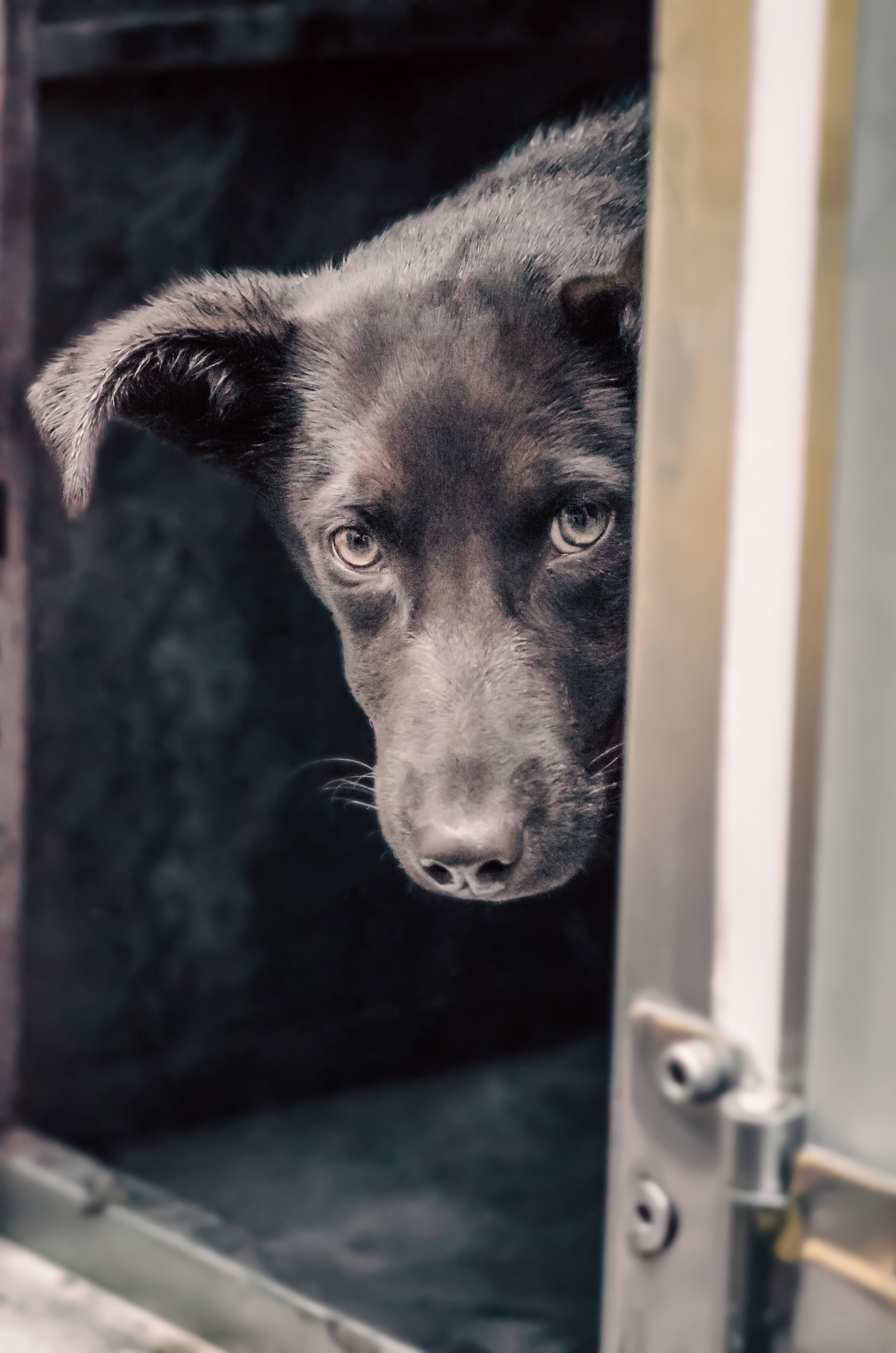
Where cats want to be isolated and alone during the first few days of this transition, dogs absolutely do not want to be alone. They need their pack-family to feel complete and safe. If at all possible, stay home for the first week in your new location. Giving your dog those seven days of your presence during their roughest part of the transition will pay off in the end for both of you. They will have fewer, if any, behavioral issues. They will be better adjusted and more confident. Those seven days are the greatest gift you can give your dog during this time.
Where to place the crate?
Place it in the common area where you will spend the most time, but be prepared to move it around as needed. If you're going into the den or office for the next four hours, bring the crate in there and set it in an out of the way corner and put your dog in it. Make sure they have food and water and have been to the bathroom. Then proceed to do your thing, knowing your dog is appreciative of your presence.
At night, bring the crate into your bedroom and place it near the bed so you can lean your hand down for sniffing and comfort in the middle of the night if necessary. Have you ever taken a nap during the day while on vacation? Sometimes you wake up and it take a minute to remember where you are? That can totally happen to your dog too. They might wake up confused and need some reassurance before they process the reality of the situation.
Why won't my dog eat?
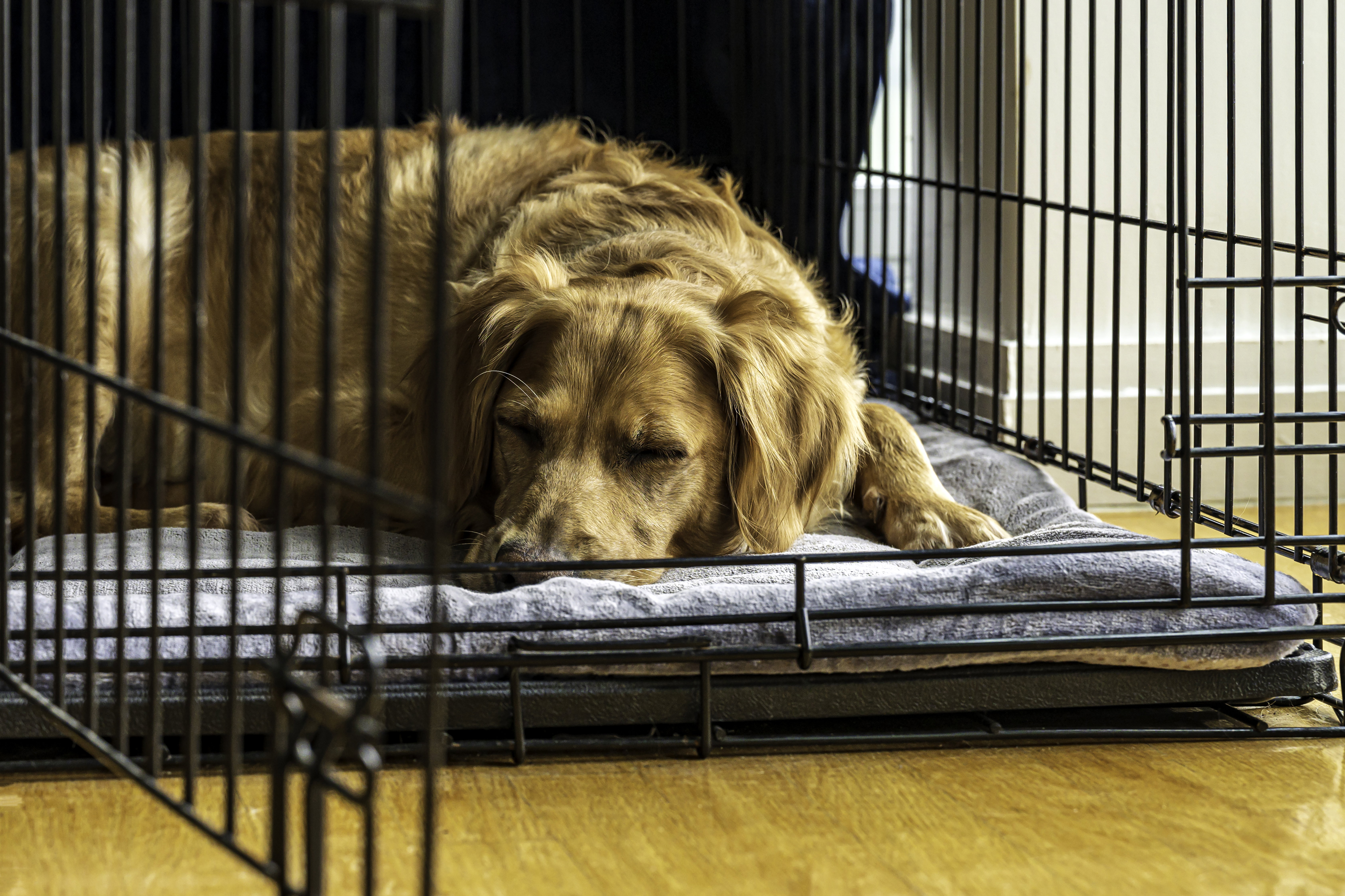
During the first seven days in a new home, you can expect your dog to eat less, if at all, drink less, and probably sleep a lot more. They are working overtime processing the change and all its implications. Be sure to give them space to do so but also frequent reminders of your loving presence.
Limit visitors
Try to avoid having visitors the first 7 days in your new home. Introduce visitors slowly after the first week has passed. If the weather permits, consider introducing visitors to your dog in the front yard rather than inside. This allows the dog to have a little breathing room. They don't feel that their space has been completely invaded.
7 Weeks: Re-establishing a Routine
Dogs are creatures of habit and they like it that way. They want to know exactly what is going to happen and when it's going to happen. Try to keep your dog's routine in your new home as close to the same as their routine was in your old home. Do adjust for the time difference if there is one. If it's a significant time difference (3 or more hours), consider a tiered, or stair-step acclimation of routine. Shift the new routine two hours closer to the eventual true time of the activity and move it by two hours every week.
Regression
Be patient with regression. They may have accidents in the house. They may bark more than usual. They may even be more reactive than they normally are. Don't ignore these signs of stress, but don't punish them either. Recognize these moments for what they are: clear signs that your dog is stressed out! If their mindset is not addressed, their behavior is unlikely to change. Were you able to stay home with them that first week? If not, is there a week coming up soon where you can?
Predictability
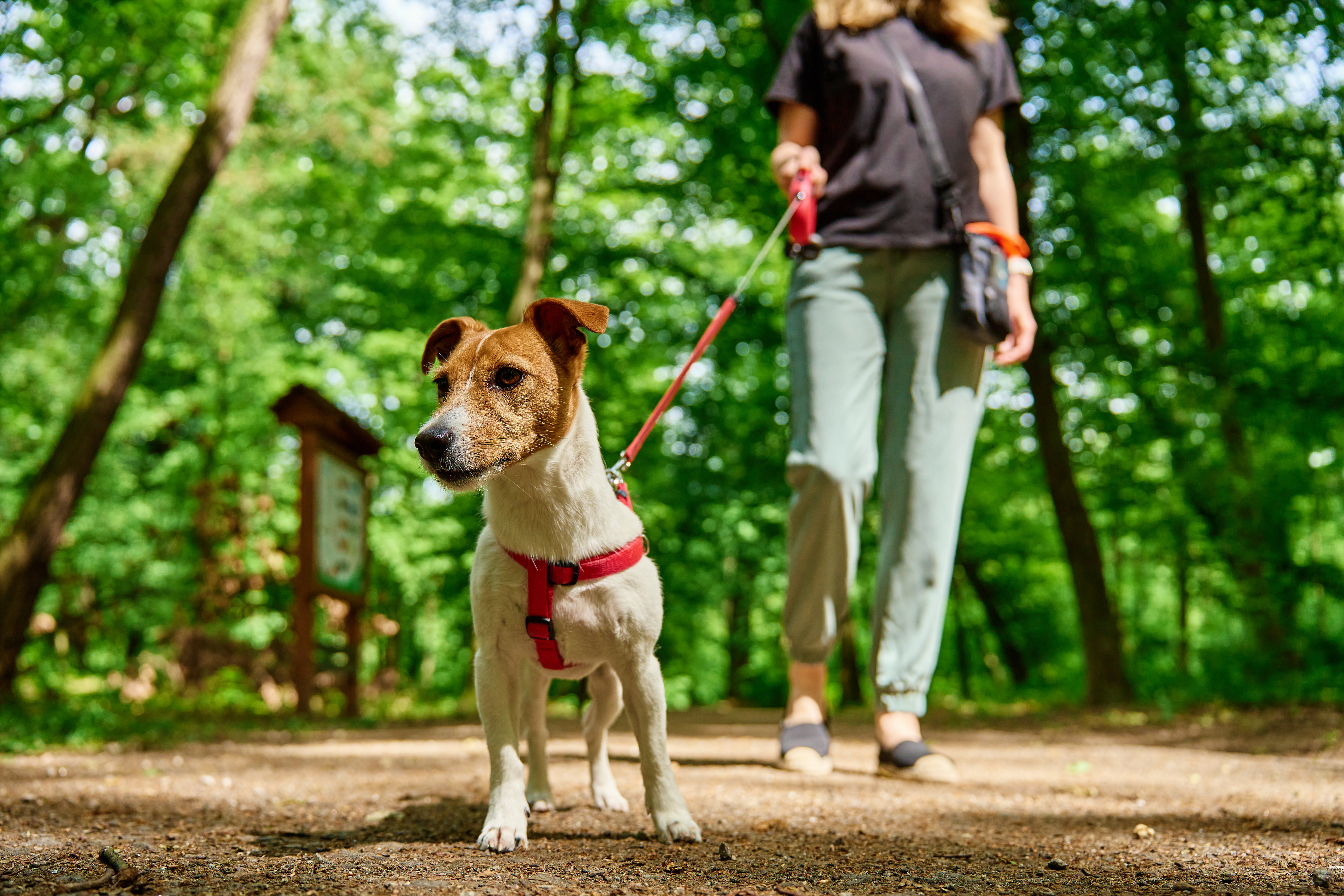
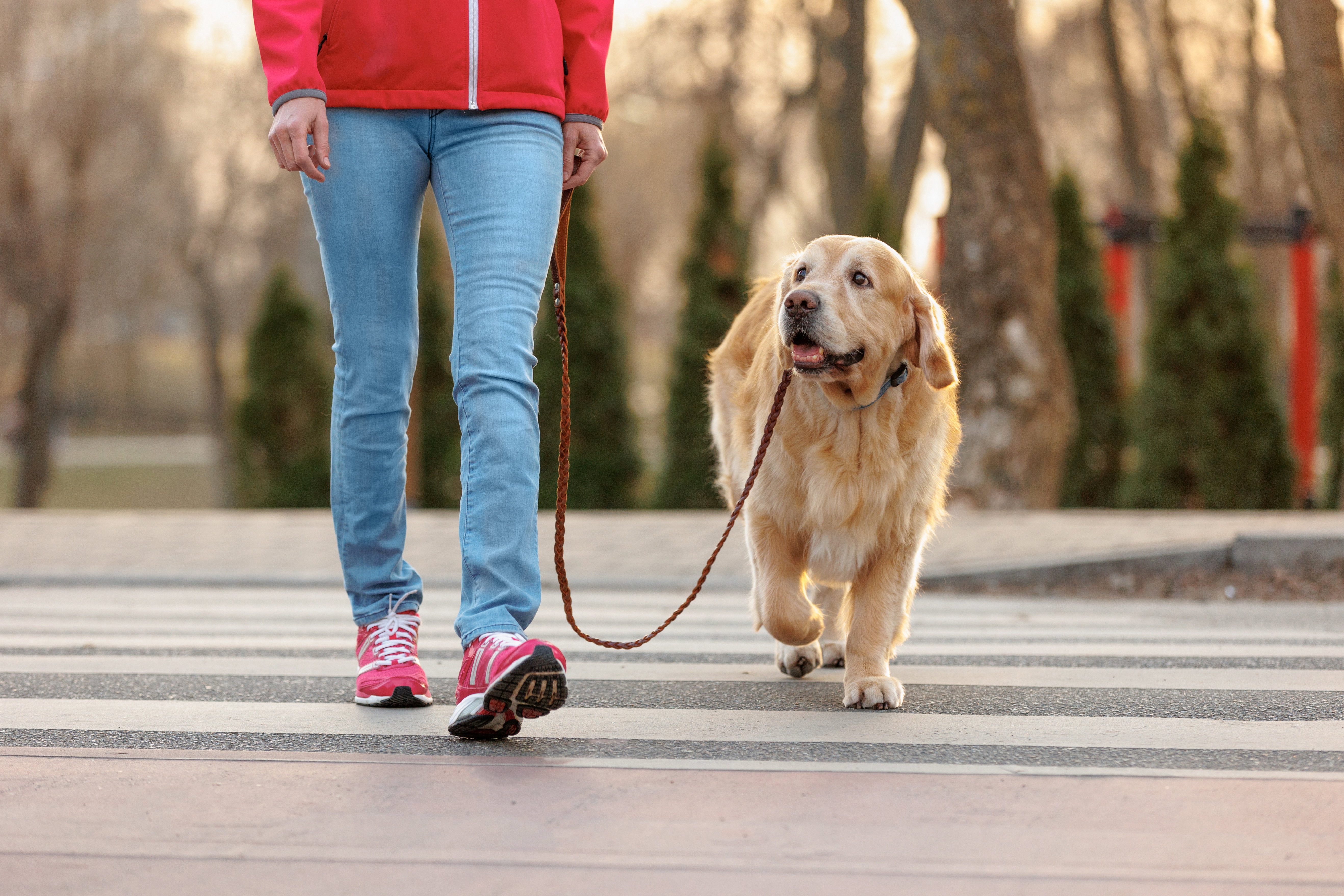
At first, walk your dog along the same path every day. Let them get very well acquainted with the sights and scents of their new neighborhood. They need a baseline so they know when something has changed. They need time of repeated familiarity to establish that baseline. It's not boring to them to walk the same route every day because to them, it's not the same route every day. The slightest change in scents, and it's a whole new experience for your dog, which can be frightening and overwhelming in a new place at first. Let them figure out what the norm is so they know when something is out of the norm.
Socialization
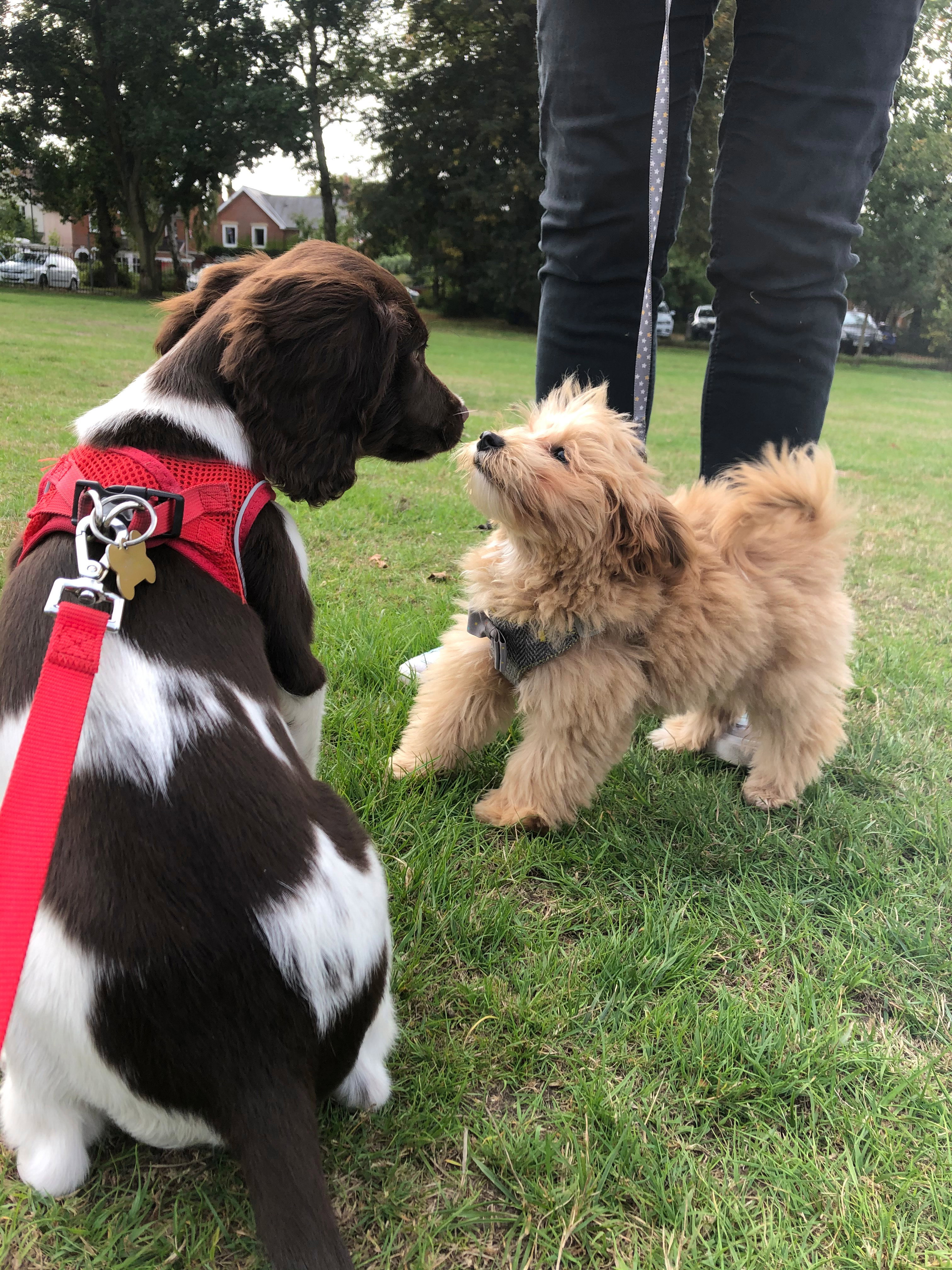
Don't discount socialization. Dogs are extremely social animals, not just with their pack-family but with each other as well. They may not be ready for the chaos of a dog park or doggie daycare, but they definitely will appreciate some butt-sniffing socialization. Introduce them to new dogs one-on-one in short periods of time. It doesn't need to be a full playdate, just long enough for you and the neighbor to catch up while the doggos do the same.
Testing Boundaries
As their confidence returns, so might some sass. They may attempt to push boundaries they never pushed before. Be patient, but firm. Keep the lines clear and redirect them back toward acceptable behavior with positive reinforcement. It would not be a bad idea to take an obedience class together at a local pet store in your new town. Even if your dog has passed obedience class in the past, this is an opportunity to reinforce habits you want them to have, as well as giving them a chance to be social and exposed to new pets, people, and places in a controlled manner.
Separation Anxiety
Consider getting them a Kong or food puzzle toy to keep them busy immediately upon you leaving the house. Help distract them so they don't fixate on the fact that you're leaving. Give them something else compelling to think about. And remember not to make too big of a deal when you come home, because it's not a big deal. Just an everyday occurrence that they should adapt to (again).
7 Months: Full Acceptance and Adaptation
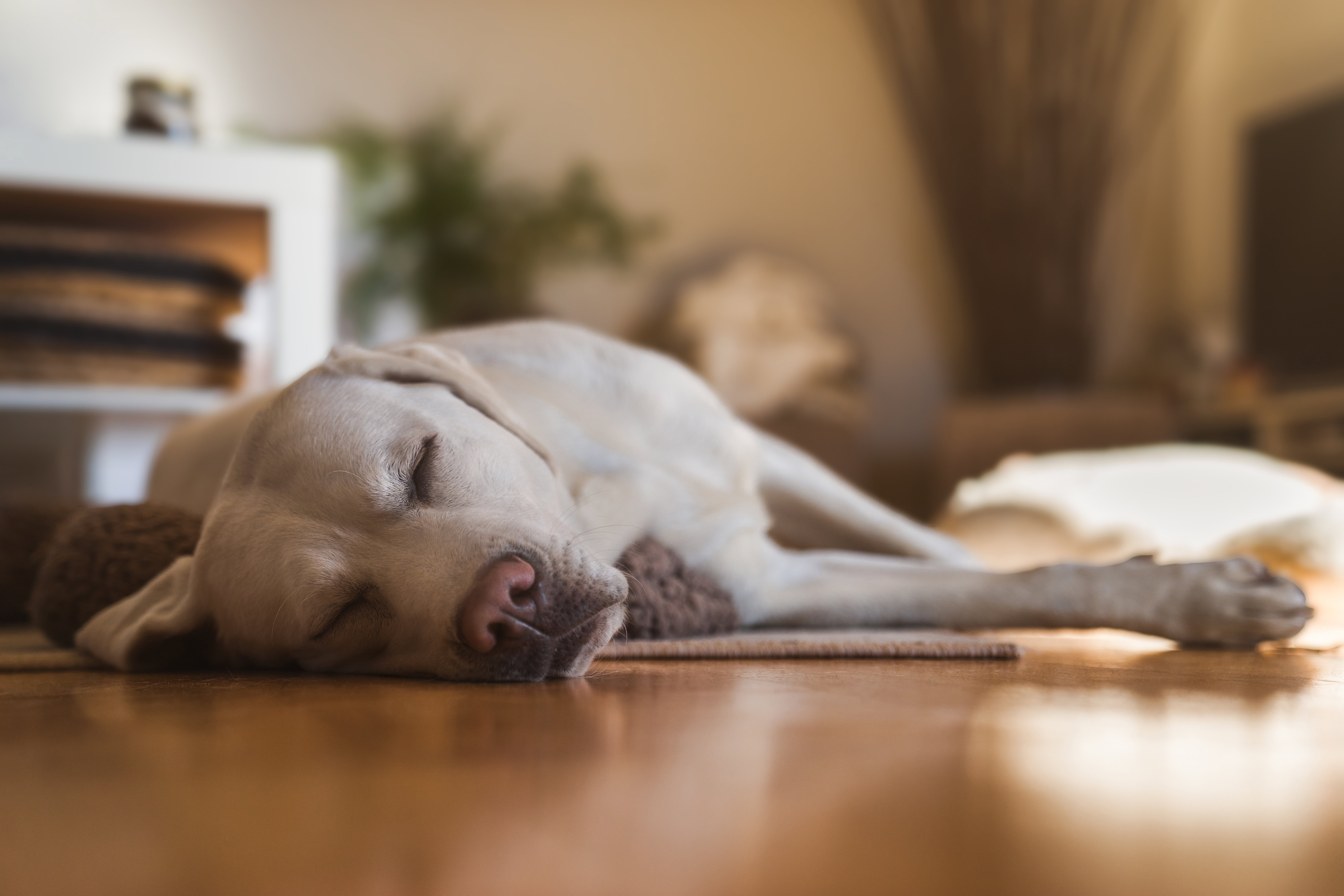
When you see your dog sleeping soundly in the middle of the room, exposed and unafraid, you know they have come through the worst of it and are on the road to full acceptance and adaptation. Their startle reflex has settled down. They don't jump at every new sound. When you walk around the block, they may be excited, but not stressed. Their tail and ears are up and perky. They take note of the changes since yesterday but otherwise do not worry about the differences. There is enough familiarity to keep them happy.
A personalized timeline
They are ready to be social, with other people and other dogs, inside and outside of their house. Behavioral issues have settled down and everything is returning to normal, whatever that may be for your individual dog, and that's an important distinction. Not every dog will adapt at the same rate. Seven months is a guideline. Some dogs may need 8-9 months. Some may need only six. Meet your dog where they are and accept their pace for adjusting to change.
Expanding their world
Now that your dog has accepted their role as Ruler of the Block, it is time to introduce new adventures to keep their world vibrant and alive. Take them patio dining and/or to doggie daycare or dog parks. Keep stimulating them but don't overstimulate them.

Trust the Process
Moving is a journey for both ends of the leash. While the 7-7-7 Rule gives you a reliable roadmap of what to expect, remember that patience and presence are your greatest tools. By giving your dog the time to decompress, locking down a predictable routine, and celebrating the small milestones along the way, you aren't just helping them adjust to a new house—you are building a deeper, more resilient bond that will make your new house truly feel like home for the whole pack.